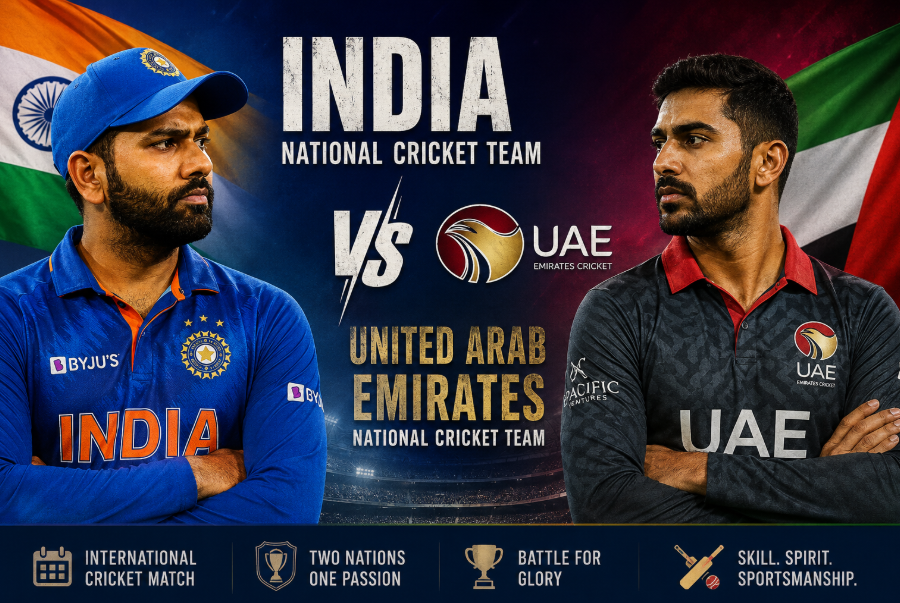
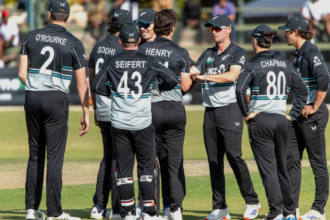
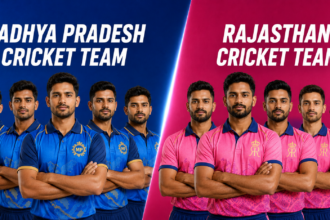
The India National Cricket Team Vs United Arab Emirates National Cricket Team Players matchup represents a classic story of dominance meeting aspiration in international cricket. Whenever these two sides meet, the cricketing world expects a one sided contest, but behind the scorecards lies a deeper narrative of pressure, learning, and opportunity. India enters with world class experience, tactical depth, and match winning superstars, while UAE arrives with discipline, hunger, and the desire to challenge elite opposition. This encounter is not just about runs or wickets, it is about exposure, growth, and testing limits on the biggest stage of cricket competition.
Head-to-Head Summary
Format
Total Matches
India Wins
UAE Wins
No Result
ODI
3
3
0
0
T20I
1
1
0
0
Total
4
4
0
0
Recent Matches
Date
Format
Venue
Winner and Margin
03 March 2016
T20I
Sher-E-Bangla Stadium Mirpur
India won by 9 wickets
28 February 2015
ODI
WACA Ground Perth
India won by 9 wickets
16 July 2004
ODI
Rangiri Dambulla Stadium
India won by 116 runs
13 April 1994
ODI
Sharjah Cricket Stadium
India won by 71 runs
Recent Teams
India Lineup
UAE Lineup
Rohit Sharma
Rohan Mustafa
Shikhar Dhawan
Muhammad Kaleem
Virat Kohli
Mohammad Shahzad
Suresh Raina
Shaiman Anwar
Yuvraj Singh
Muhammad Usman
MS Dhoni
Amjad Javed
Hardik Pandya
Saqlain Haider
Ravindra Jadeja
Mohammad Naveed
Ravichandran Ashwin
Ahmed Raza
Jasprit Bumrah
Usman Mushtaq
Harbhajan Singh
Qadeer Ahmed
Top Run Scorers
Player
Team
Matches
Total Runs
Highest Score
Rahul Dravid
India
1
104
104
Rohit Sharma
India
2
96
57
Shaiman Anwar
UAE
2
83
43
Vinod Kambli
India
1
82
82
Shikhar Dhawan
India
1
54
54
Top Wicket Takers
Player
Team
Matches
Wickets
Best Bowling
Ravichandran Ashwin
India
2
5
4 for 25
Irfan Pathan
India
1
3
3 for 28
Bhuvneshwar Kumar
India
1
2
2 for 8
Harbhajan Singh
India
1
2
2 for 11
Mohammad Naveed
UAE
1
1
1 for 35
Early Asia Cup Clash Setting the Tone
The first major encounter between India and UAE created an instant sense of imbalance but also curiosity. India entered with a full strength squad featuring Rohit Sharma, Shikhar Dhawan, and Virat Kohli, while UAE relied on discipline and survival instincts. From the very first over, India’s bowlers controlled the rhythm of the match. UAE struggled to rotate strike and lost early wickets, which completely broke their momentum. India’s fielding intensity made scoring even harder, forcing UAE into defensive cricket. This match did not just show skill difference, it exposed experience gap at the highest level. India’s calm chase of a small target reinforced their dominance, while UAE gained valuable exposure against elite international pressure. It became the foundation chapter of this rivalry.
Match
Score
Winning Team
Key Performance
Season
Asia Cup T20
UAE 81 vs IND 82/1
India
Bhuvneshwar swing spell
2016
Asia Cup T20
India dominant chase
India
Kohli stability
2016
Asia Cup T20
UAE batting collapse
India
Ashwin control
2016
Asia Cup T20
One sided game
India
Dhawan steady start
2016
Bowling Masterclass That Defined
India’s bowling attack was the biggest difference in this rivalry chapter. UAE batters had no answer to the new ball movement and disciplined spin pressure. Bhuvneshwar Kumar extracted swing early, breaking top order confidence. Ashish Nehra added experience with variations that kept batters guessing. In the middle overs, spin took full control, not allowing UAE to build partnerships. Every over built pressure, forcing risky shots that led to wickets. UAE’s batting approach became reactive rather than planned, which hurt their scoring rate badly. India’s bowlers worked as a unit, maintaining consistent lengths and attacking field setups. This bowling performance was not just about wickets, but about suffocating the opposition completely and setting up a very easy chase for India.
Match
Score
Winning Team
Key Performance
Season
Asia Cup T20
UAE 81 all out
India
Bhuvneshwar swing
2016
Asia Cup T20
Low scoring innings
India
Nehra pressure overs
2016
Asia Cup T20
Spin domination
India
Ashwin control
2016
Asia Cup T20
Collapse innings
India
Team bowling unit
2016
Calm Chase Strategy
India’s chase in this encounter was a display of calm professionalism rather than aggression. With a very low target, Indian openers focused on stability and risk free cricket. Shikhar Dhawan and Rohit Sharma ensured there were no early surprises, rotating strike and punishing loose deliveries. UAE bowlers tried to create pressure through tight lines, but lack of scoreboard support limited their impact. Virat Kohli’s presence in the chase added assurance, even though he did not need to play a major role. India’s approach reflected maturity, as they avoided unnecessary shots and completed the chase with ease. The match highlighted India’s ability to handle pressure situations even when the target is small, maintaining discipline and finishing the game professionally without hesitation.
Match
Score
Winning Team
Key Performance
Season
Asia Cup T20
IND 82/1
India
Rohit steady start
2016
Asia Cup T20
Easy chase
India
Dhawan rotation play
2016
Asia Cup T20
Controlled innings
India
Kohli anchor role
2016
Asia Cup T20
Comfortable win
India
Team discipline
2016
Player Stats Impact
Even though the match was one sided, individual performances shaped the narrative. Indian bowlers dominated the stats sheet with consistent wicket taking and low economy rates. Bhuvneshwar Kumar stood out for his swing control, while Ashwin maintained pressure in the middle overs. UAE batters struggled individually, with only a few players managing double digit scores. Shaiman Anwar attempted resistance but lacked support from the other end. On the Indian side, top order batters ensured stability without taking risks. Rohit Sharma and Shikhar Dhawan maintained a solid opening partnership approach. Virat Kohli provided calm leadership presence even during a low pressure chase. The stats clearly reflected India’s complete control in all departments of the game.
Match
Score
Winning Team
Key Performance
Season
Asia Cup T20
IND dominant
India
Bhuvneshwar 2 wkts
2016
Asia Cup T20
UAE low score
India
Shaiman resistance
2016
Asia Cup T20
Balanced batting
India
Rohit Dhawan stand
2016
Asia Cup T20
Controlled game
India
Kohli leadership
2016
Tactical Breakdown Players Dominance
The tactical difference between India and UAE was clear from the start. India focused on early breakthroughs using swing bowling and tight field placements. UAE attempted to play safe cricket but lacked the strike rotation required under pressure. India’s spinners were used strategically to choke runs in the middle overs, forcing mistakes. UAE’s inability to form partnerships meant they could not build a defendable total. In response, India’s batting strategy was extremely simple, avoid risk and finish efficiently. The coaching staff used this match to test bowling combinations and maintain team rhythm. UAE, meanwhile, learned the importance of handling pressure and adapting to higher quality attacks. This match became a textbook example of tactical superiority in international cricket.
Match
Score
Winning Team
Key Performance
Season
Asia Cup T20
Tactical win
India
Bowling strategy
2016
Asia Cup T20
UAE struggle
India
Field placements
2016
Asia Cup T20
Controlled game
India
Spin choke plan
2016
Asia Cup T20
One sided tactics
India
Team execution
2016
Conclusion
The India National Cricket Team Vs United Arab Emirates National Cricket Team Players contest ultimately reflects the reality of modern international cricket where experience and structure often outweigh raw ambition. India’s dominance in batting, bowling, and tactical execution consistently shapes the outcome, leaving UAE with valuable lessons rather than victories. However, the importance of such matches goes beyond the final scorecard. For India, it reinforces consistency and squad depth, while for UAE it provides exposure to elite pressure and world class standards. In the end, this rivalry stands as a bridge between established greatness and emerging cricketing dreams.