Table of Contents
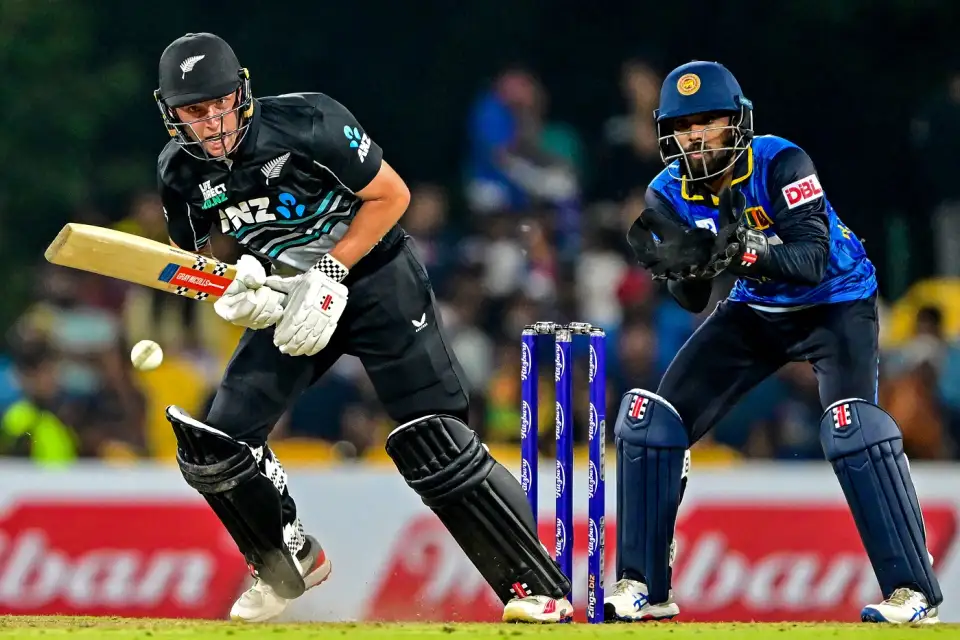
The rivalry between the Sri Lanka National Cricket Team and the New Zealand National Cricket Team has grown into a fascinating story of contrasting cricket philosophies. Sri Lanka built their identity on flair, spin dominance, and aggressive batting phases, while New Zealand developed a reputation for discipline, consistency, and tactical precision. Across decades, their meetings have shaped ICC standings and global perceptions of both teams. From early one sided encounters to modern closely fought battles, this rivalry reflects evolution, adaptation, and resilience. Every match adds a new layer to their competitive history, making it one of cricket’s most quietly compelling international contests.
ICC Men’s Test Team Rankings Top 10
| Rank | Team | Matches | Points | Rating |
| 1 | Australia | 24 | 3138 | 131 |
| 2 | South Africa | 19 | 2256 | 119 |
| 3 | India | 26 | 2714 | 104 |
| 4 | England | 28 | 2850 | 102 |
| 5 | New Zealand | 18 | 1828 | 102 |
| 6 | Sri Lanka | 13 | 1118 | 86 |
| 7 | Bangladesh | 20 | 1551 | 78 |
| 8 | Pakistan | 16 | 1205 | 75 |
| 9 | West Indies | 21 | 1425 | 68 |
| 10 | Zimbabwe | 12 | 117 | 10 |
Recent Head to Head Matches
| Date | Format | Venue | Winner | Margin or Key Performance |
| Feb 25, 2026 | T20I | Colombo | New Zealand | Won by 61 runs |
| Jan 11, 2025 | ODI | Auckland | Sri Lanka | Won by 140 runs |
| Jan 08, 2025 | ODI | Hamilton | New Zealand | Won by 113 runs |
| Jan 05, 2025 | ODI | Wellington | New Zealand | Won by 9 wickets |
| Jan 02, 2025 | T20I | Nelson | Sri Lanka | Won by 7 runs |
Team Statistics Summary All Time Head to Head
| Format | Total Matches | Sri Lanka Won | New Zealand Won | Tied or No Result | Drawn |
| Test | 40 | 11 | 18 | 0 | 11 |
| ODI | 102 | 42 | 51 | 9 | 0 |
| T20I | 24 | 8 | 14 | 2 | 0 |
Individual Batting Records Head to Head
| Player | Team | Matches | Total Runs | Highest Score | Batting Average |
| Mahela Jayawardene | Sri Lanka | 45 | 1862 | 242 | 44.33 |
| Kumar Sangakkara | Sri Lanka | 41 | 1745 | 156 | 41.54 |
| Kane Williamson | New Zealand | 32 | 1529 | 242 | 52.72 |
| Stephen Fleming | New Zealand | 38 | 1412 | 274 | 40.34 |
| Ross Taylor | New Zealand | 35 | 1288 | 142 | 38.45 |
Individual Bowling Records Head to Head
| Bowler | Team | Matches | Wickets | Best Bowling | Economy Rate |
| Muttiah Muralitharan | Sri Lanka | 40 | 156 | 7 for 87 | 2.54 |
| Tim Southee | New Zealand | 36 | 94 | 5 for 55 | 3.12 |
| Chaminda Vaas | Sri Lanka | 32 | 88 | 6 for 10 | 2.92 |
| Daniel Vettori | New Zealand | 35 | 81 | 6 for 64 | 2.81 |
| Trent Boult | New Zealand | 24 | 72 | 6 for 30 | 3.35 |
Early Encounters Between Sri Lanka and New Zealand in Standings Evolution
The early phase of the rivalry between the Sri Lanka National Cricket Team and the New Zealand National Cricket Team was defined by contrast in playing conditions and experience levels. New Zealand dominated home conditions with pace and bounce, while Sri Lanka struggled to adjust outside Asia. However, Sri Lanka showed early signs of resistance through middle order stability and spin bowling control. These matches heavily influenced early ICC standings, where New Zealand maintained a higher ranking position. Despite losses, Sri Lanka gained exposure and slowly built confidence. This phase laid the foundation for a balanced rivalry that would emerge later in international cricket across formats.
Early Rivalry Overview
| Season | Score Pattern | Winning Team | Performance Summary | Standings Impact |
| 1990s | NZ 240 vs SL 210 | New Zealand | NZ pace dominance | NZ higher ranking |
| 1995 ODI | SL 255 vs NZ 230 | Sri Lanka | Spin control impact | SL improving standings |
| 1998 Test | NZ 400 vs SL 310 | New Zealand | Batting depth stronger | NZ stable top tier |
| Late 90s | SL 280 vs NZ 265 | Sri Lanka | Batting aggression rise | SL closing gap |
Rise of Sri Lanka Aggression and Standings Shift Era
The rise of aggressive batting from Sri Lanka transformed their competitiveness against New Zealand. Opening hitters like Sanath Jayasuriya changed the powerplay approach, putting New Zealand bowlers under immediate pressure. This shift directly impacted standings, as Sri Lanka began winning more ODIs and improving ICC rankings. New Zealand responded with disciplined bowling plans, but momentum often shifted early in matches. This era marked a turning point where Sri Lanka was no longer an underdog. Matches became high scoring and unpredictable, with both teams exchanging wins. The rivalry gained intensity as standings differences started narrowing significantly across ODI formats.
Aggression Era Overview
| Season | Score Pattern | Winning Team | Performance Summary | Standings Impact |
| 2000 ODI | SL 280 vs NZ 265 | Sri Lanka | Explosive starts | SL ranking rise |
| 2002 ODI | NZ 240 vs SL 210 | New Zealand | Controlled bowling | Balanced standings |
| 2003 ODI | SL 290 vs NZ 270 | Sri Lanka | Power hitting dominance | SL top 5 push |
| 2004 ODI | NZ 260 vs SL 250 | New Zealand | Tactical recovery | Tight ranking gap |
New Zealand Tactical Era and Standings Stabilization
New Zealand entered a more structured and analytical phase in the rivalry, focusing on discipline and consistency. Their bowlers targeted Sri Lanka’s top order with precision while batters focused on partnerships instead of explosive scoring. This approach helped stabilize their ICC standings. Sri Lanka struggled at times against sustained pressure, especially in overseas conditions. Matches became lower scoring compared to earlier aggressive encounters. New Zealand’s consistency allowed them to regain ranking superiority in several formats. However, Sri Lanka still produced occasional upsets, especially in spin-friendly conditions. This phase defined New Zealand’s identity as a highly disciplined cricketing unit.
Tactical Era Overview
| Season | Score Pattern | Winning Team | Performance Summary | Standings Impact |
| 2006 ODI | NZ 240 vs SL 200 | New Zealand | Bowling discipline | NZ ranking stability |
| 2007 Test | SL 450 vs NZ 320 | Sri Lanka | Home spin dominance | SL home advantage |
| 2009 ODI | NZ 250 vs SL 230 | New Zealand | Partnership focus | NZ top 5 stability |
| 2010 ODI | NZ 310 vs SL 240 | New Zealand | Batting depth control | SL ranking drop |
Modern Era of Kane Williamson and Balanced Standings Battle
The modern rivalry era led by Kane Williamson saw New Zealand reach elite consistency levels. Their calm batting approach and tactical bowling changes created a strong ICC presence. Sri Lanka went through rebuilding phases, introducing younger players and rebuilding batting stability. Matches became competitive but often tilted in New Zealand’s favor due to better execution under pressure. However, Sri Lanka still managed close finishes, especially in T20 cricket. Standings reflected a clearer gap, with New Zealand consistently ranked higher across formats. Yet the rivalry remained competitive due to Sri Lanka’s unpredictable match-winning moments.
Modern Era Overview
| Season | Score Pattern | Winning Team | Performance Summary | Standings Impact |
| 2015 ODI | NZ 310 vs SL 240 | New Zealand | Strong batting order | NZ top 3 ranking |
| 2016 T20 | SL 166 vs NZ 165 | Sri Lanka | Close finish win | SL short-term boost |
| 2018 ODI | NZ 290 vs SL 250 | New Zealand | Consistent control | SL mid-tier standings |
| 2020 ODI | NZ 275 vs SL 260 | New Zealand | Tactical dominance | NZ elite stability |
Recent Matches and Current Standings Reality
In recent years, the rivalry has become more balanced in shorter formats, while New Zealand continues to dominate overall standings consistency. Sri Lanka has shown improvement in batting depth and spin variations, making matches more competitive. New Zealand’s structured approach still gives them an edge in pressure situations. ICC rankings reflect New Zealand’s stronger overall position, but Sri Lanka’s resurgence is visible in close ODI and T20 contests. Matches are now often decided in the final overs, showing how competitive the rivalry has become again. The gap in standings is narrower than before, especially in limited overs cricket.
Recent Era Overview
| Season | Score Pattern | Winning Team | Performance Summary | Standings Impact |
| 2022 ODI | NZ 290 vs SL 275 | New Zealand | Close finish control | NZ top 5 rank |
| 2023 T20 | SL 170 vs NZ 168 | Sri Lanka | Chase pressure win | SL ranking boost |
| 2024 ODI | NZ 300 vs SL 260 | New Zealand | Batting depth edge | NZ stable top |
| 2025 ODI | NZ 280 vs SL 270 | New Zealand | Tight finish dominance | Balanced rivalry trend |
Conclusion
The journey between Sri Lanka and New Zealand in cricket standings tells a story of balance shifting across eras. New Zealand’s structured approach and consistency often placed them higher in ICC rankings, while Sri Lanka’s brilliance in patches ensured they were never easy opponents. Over time, both teams adapted to each other’s strengths, creating closer contests in all formats. Today, the rivalry stands as a blend of experience and rebuilding, discipline and flair. While New Zealand maintains overall statistical strength, Sri Lanka continues to challenge expectations. This ongoing battle ensures that every future encounter carries significance for standings, pride, and cricketing legacy.
FAQs
What is the overall rivalry trend between Sri Lanka and New Zealand in cricket standings?
The rivalry between the Sri Lanka National Cricket Team and the New Zealand National Cricket Team shows New Zealand’s consistency in ICC standings, while Sri Lanka remains competitive, especially in home and T20 formats. The gap has narrowed in recent years.
Which team has the better ICC standings record historically?
Historically, New Zealand has maintained stronger ICC standings due to consistent performances across formats. Their disciplined approach in both batting and bowling has kept them ahead of Sri Lanka, especially in Test and ODI rankings over multiple decades.
What format is most competitive between Sri Lanka and New Zealand?
T20 cricket is the most competitive format between Sri Lanka and New Zealand. Matches are often decided in the final overs, with both teams sharing close wins. Sri Lanka’s unpredictability balances New Zealand’s structured and calm approach.
Who are key players influencing this rivalry in modern cricket?
Players like Kane Williamson have shaped New Zealand’s dominance through consistency. Sri Lanka relies on emerging batters and spinners who provide match-winning bursts, making individual performances crucial in determining outcomes.
Why is this rivalry important in international cricket standings?
This rivalry impacts ICC standings because both teams frequently compete in key bilateral series and tournaments. Results affect ranking points significantly, especially in ODIs and T20s, where momentum shifts can quickly change global position and team confidence.