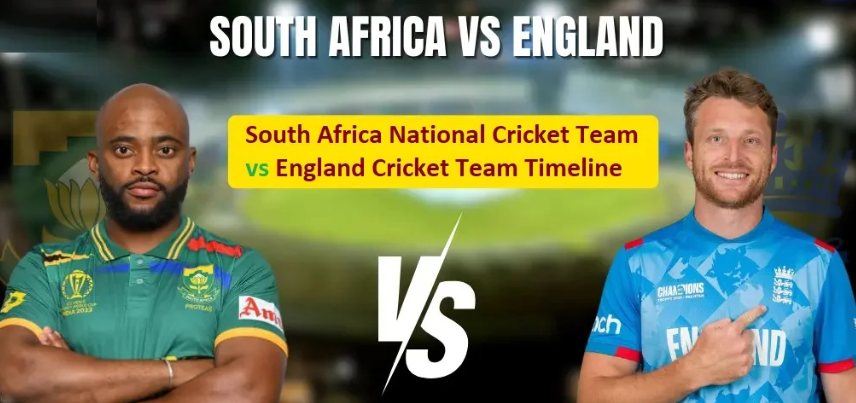
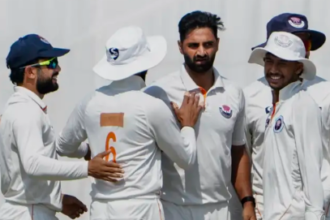
Cricket has always carried rivalries that go beyond numbers, and the contests between these two sides stand among the most fascinating in the sport’s long history. From the early days of uncertain pitches and cautious batting to the modern era of aggressive scoring and tactical innovation, every era has added a new layer to the story. What makes this timeline special is not just the wins and losses, but the changing styles, shifting momentum, and unforgettable individual performances that shaped each chapter. Fans from both nations have witnessed moments of brilliance, heartbreak, and resilience, creating a rivalry that continues to evolve with every generation and every new encounter on the field.
Recent Matches Table
Match Date
Venue
Format
Winner
Margin
14 September 2025
Manchester
T20I
England
8 wickets
11 September 2025
Cardiff
T20I
South Africa
6 wickets
7 September 2025
Southampton
ODI
England
342 runs
4 September 2025
London
ODI
South Africa
5 runs
2 September 2025
Leeds
ODI
South Africa
7 wickets
21 June 2024
Saint Lucia
T20I
South Africa
7 runs
21 October 2023
Mumbai
ODI
South Africa
229 runs
Team Statistics Summary Table
Statistic Type
Test Matches
One Day Internationals
Twenty20 Internationals
Total Matches
156
71
27
England Won
66
31
13
South Africa Won
35
33
13
Matches Tied
0
1
0
Matches Drawn
55
0
0
No Result Matches
0
6
1
Individual Batting Records Table
Player Name
Team Country
Total Runs
Matches Played
Highest Score
Batting Average
Jacques Kallis
South Africa
3105
44
182
47.76
Hashim Amla
South Africa
2673
36
311
51.40
Graeme Smith
South Africa
2407
31
277
49.12
Joe Root
England
2394
33
124
46.94
Alastair Cook
England
2117
27
115
41.50
AB de Villiers
South Africa
2004
31
174
45.54
Kevin Pietersen
England
1978
25
151
48.24
Individual Bowling Records Table
Bowler Name
Team Country
Wickets Taken
Matches Played
Best Bowling
Bowling Average
James Anderson
England
118
39
5/40
28.52
Shaun Pollock
South Africa
115
35
6/30
22.45
Dale Steyn
South Africa
101
23
5/51
25.10
Stuart Broad
England
94
31
6/17
27.91
Makhaya Ntini
South Africa
89
24
5/75
29.35
Allan Donald
South Africa
85
19
5/67
21.80
Kagiso Rabada
South Africa
78
18
7/112
25.43
Early Encounters That Set the Tone in Test Cricket
The opening phase of this rivalry began in the early years of international cricket when both sides were still shaping their identity. England traveled with experience and structure, while South Africa brought raw pace and strong athletic fielding standards. The matches were often low scoring, shaped by uncovered pitches and difficult batting conditions. England’s batting relied heavily on technique and patience, while South Africa quickly developed a reputation for producing fast bowlers who could trouble any top order. Early encounters set a foundation of respect but also competitive tension that would grow stronger with time. Crowd interest slowly increased as matches became more evenly contested. These early games created a blueprint for future battles, where momentum would swing frequently and individual performances often decided outcomes.
Year
Format
Winner
Key Performer
Highlight
1889
Test
England
Bobby Abel
First major clash era
1891
Test
England
W. Gunn
Strong batting display
1896
Test
South Africa
J. Sinclair
First SA home win
1902
Test
Draw
C. Blythe
Bowling dominance
Post War Revival and the Rebuilding of Rivalry Identity
After the disruption caused by global conflict, international cricket returned with renewed energy. Both teams had changed significantly, with new players stepping into leadership roles. England focused on rebuilding a stable batting order, while South Africa invested in developing a stronger bowling unit. Matches during this phase showed more structured gameplay compared to earlier unpredictable contests. The intensity slowly returned as tours resumed, and both sides aimed to re-establish dominance. Fans witnessed tighter finishes and more strategic gameplay, reflecting modernizing cricket philosophies. The rivalry regained attention as competitive series began producing results that were difficult to predict. This period laid the groundwork for future high-pressure encounters that would define later decades of competition.
Year
Format
Winner
Key Performer
Highlight
1947
Test
England
Len Hutton
Solid batting return
1951
Test
Draw
A. Nourse
Balanced contest
1955
Test
South Africa
Neil Adcock
Bowling impact
1960
Test
England
Peter May
Controlled innings
The 1990 Return Era and Emotional Restart of the Rivalry
The return of South Africa to international cricket marked one of the most emotional moments in the sport’s history. Their first modern encounters with England carried immense symbolic value, drawing global attention. Players were under pressure not only to perform but also to represent a nation returning after years of isolation. England approached the series with a well-settled squad, while South Africa relied on a mix of experienced domestic players transitioning into international cricket. The matches were highly competitive, with momentum shifting frequently across innings and overs. Fans celebrated the revival of a historic rivalry that had been paused for decades. These games also marked the beginning of a new era where fitness, professionalism, and tactical planning became central to success.
Year
Format
Winner
Key Performer
Highlight
1994
Test
England
Michael Atherton
Anchoring innings
1995
ODI
South Africa
Hansie Cronje
All-round control
1998
Test
Draw
Allan Donald
Bowling comeback
1999
ODI
South Africa
Jacques Kallis
Match-winning knock
Tactical Battles and Fast Bowling Era Intensity
This phase of competition was defined by fast bowling dominance and tactical depth. South Africa produced one of the most feared pace attacks, while England relied on disciplined batting techniques and resilience under pressure. Matches often turned in sessions, especially when bowlers like Allan Donald and Shaun Pollock found rhythm. England’s top order had to work extremely hard to survive early spells, leading to gripping contests. South Africa’s aggressive field settings added psychological pressure, making batting even more challenging. England responded by strengthening their middle order and focusing on building partnerships. This era is remembered for intense spells, sledging battles, and closely fought sessions that kept fans on edge throughout each match.
Year
Format
Winner
Key Performer
Highlight
1998
Test
South Africa
Allan Donald
Fast bowling spell
1999
ODI
South Africa
Jonty Rhodes
Fielding brilliance
2000
Test
England
Nasser Hussain
Tactical batting
2003
ODI
South Africa
Shaun Pollock
Bowling control
ODI Wars and World Cup Pressure Clashes
The limited overs format brought a new dimension to the rivalry. ICC tournaments became the biggest stage where both teams faced extreme pressure. England and South Africa often met in crucial matches that determined progression in global events. Players like Andrew Flintoff and Herschelle Gibbs delivered unforgettable performances under pressure. South Africa’s reputation for tournament setbacks added emotional weight to every knockout game. England, meanwhile, began developing a more aggressive ODI approach. These matches often featured high run rates, explosive batting, and dramatic collapses. Fans experienced emotional swings as matches changed direction within a few overs. This era strengthened the rivalry’s global appeal and increased its importance in ICC history.
Year
Format
Winner
Key Performer
Highlight
2002
ODI
South Africa
Gibbs
Chase dominance
2004
ODI
England
Flintoff
All-round impact
2007
ODI
South Africa
Kallis
Stability innings
2011
ODI
England
Morgan
Aggressive batting
Modern Era Balance and White Ball Transformation
In recent years, the rivalry has become more balanced and unpredictable. England’s transformation into an aggressive white-ball side changed the dynamics completely. South Africa responded with a new generation of fast bowlers and dynamic fielding standards. Matches in this era are often decided by small margins, such as death overs execution or powerplay scoring rates. Both teams have adapted modern training methods and data-driven strategies. England’s batting depth and South Africa’s pace strength continue to define encounters. The rivalry now reflects modern cricket evolution, where adaptability is more important than tradition. Fans continue to witness high-intensity games with fluctuating momentum and standout individual performances.
Year
Format
Winner
Key Performer
Highlight
2015
ODI
England
Root
Consistent scoring
2017
Test
South Africa
Rabada
Bowling attack
2019
ODI
England
Bairstow
Power hitting
2023
T20
South Africa
Miller
Finishing ability
Conclusion
Looking back at this long journey, the rivalry reflects the evolution of international cricket itself. Each era brought its own heroes, turning points, and unforgettable performances that defined matches and shifted momentum. From early encounters to modern-day battles, both teams have pushed each other to higher standards of skill and strategy. The scorecards tell part of the story, but the real essence lies in the intensity, pressure, and passion shown on the field. As cricket continues to evolve, this timeline remains a powerful reminder of how deeply sport can connect history, competition, and emotion across generations and fans worldwide.