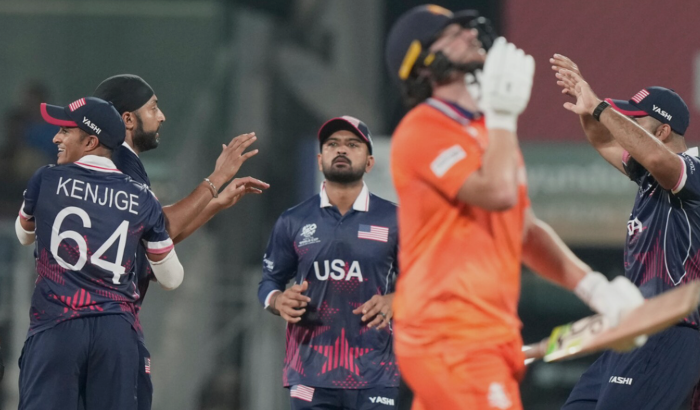
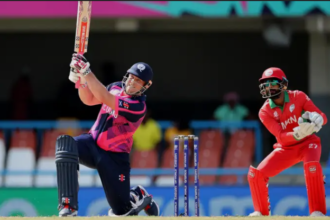
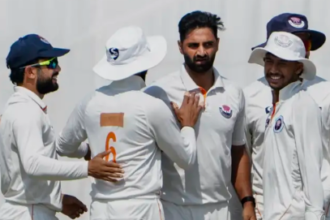
The rivalry timeline between the United States National Cricket Team and the Netherlands National Cricket Team represents the quiet rise of associate cricket into a more competitive and structured global contest. What began as low-profile meetings in ICC associate tournaments slowly transformed into tightly fought battles shaped by qualification pressure, tactical evolution, and growing international recognition. Netherlands brought experience, discipline, and structured cricket built over decades of European competition. The United States brought raw energy, aggressive batting intent, and rapid development through investment in modern cricket systems. Over time, their encounters evolved from one-sided phases into balanced contests where momentum shifted ball by ball, and every scorecard told a deeper story of growth and ambition.
Latest Matches
Date
Format
Venue
Winner
Margin
08 June 2026
ODI
Maple Leaf Cricket Ground
Netherlands
21 runs
13 Feb 2026
T20I
M.A. Chidambaram Stadium
United States
93 runs
28 Aug 2024
T20I
Sportpark Westvliet
Netherlands
4 runs
25 Aug 2024
T20I
Sportpark Maarschalkerweerd
Netherlands
102 runs
21 Aug 2024
ODI
Sportpark Hazelaarweg
Netherlands
27 runs
15 Aug 2024
ODI
Sportpark Westvliet
Netherlands
19 runs
Head-to-Head Evolutions
Format
Total Played
United States Wins
Netherlands Wins
No Result
ODI
4
0
4
0
T20I
4
1
3
0
Overall Combined
8
1
7
0
Top Individual Performances
Player
Team
Discipline
Performance Statistics
Match Date
Saiteja Mukkamalla
USA
Batting
79 Runs (51 balls)
13 Feb 2026
Max O’Dowd
Netherlands
Batting
59 Runs (111 balls)
08 June 2026
Shubham Ranjane
USA
Batting
48 Runs (24 balls)
13 Feb 2026
Harmeet Singh
USA
Bowling
4 Wickets for 26 runs
08 June 2026
Aryan Dutt
Netherlands
Bowling
3 Wickets for 23 runs
08 June 2026
Kyle Klein
Netherlands
Bowling
3 Wickets for 38 runs
08 June 2026
Biggest Wins & Closest Matches
Record Tier
Format
Margin Metric
Winning Team
Match Date
Biggest Win (Runs – T20I)
T20I
102 runs
Netherlands
25 Aug 2024
Biggest Win (Runs – USA)
T20I
93 runs
United States
13 Feb 2026
Biggest Win (Wickets)
T20I
7 wickets
Netherlands
15 Jul 2022
Closest Match (Runs)
T20I
4 runs
Netherlands
28 Aug 2024
Closest Match (ODI)
ODI
19 runs
Netherlands
15 Aug 2024
Early Encounters and First Competitive Clashes
The earliest meetings between the United States and Netherlands cricket teams came during the developing phase of associate cricket when both sides were still searching for consistency and identity on the international stage. Netherlands entered these clashes with more structure, better exposure in ICC tournaments, and a stable core of experienced players. The United States, on the other hand, relied on a mix of domestic performers and overseas talent trying to adapt quickly to international pressure. These matches were not high scoring but were intensely competitive in patches. Netherlands often controlled the middle overs with disciplined bowling, while USA showed sparks of aggressive batting at the top. The scorecards from this period reflect low totals, frequent batting collapses, and bowlers dominating conditions. However, these encounters laid the foundation of a rivalry that would slowly evolve into a balanced contest over time.
Season Phase
Score Trend
Winning Edge
Performance Highlight
Key Factor
Early Phase
Low totals
Netherlands
Bowling dominance
Experience gap
Early Phase
Moderate lows
Netherlands
Middle over control
Spin discipline
Early Phase
Low scoring
Mixed
USA batting flashes
Top order aggression
Early Phase
Tight finishes
Netherlands
Fielding strength
Pressure handling
ICC World Cricket League Battles
During the ICC World Cricket League era, the rivalry gained structure and seriousness as both teams fought for ranking points and qualification pathways. Netherlands continued to rely on structured batting innings and tactical bowling rotations, while the United States began developing more aggressive batting intent, especially in powerplay overs. These matches were often tightly contested, with small margins separating victory and defeat. The Netherlands showed greater composure in chasing targets, while the USA occasionally surprised stronger opponents with rapid scoring bursts. Scorecards from this phase reflect improving strike rates, better partnerships, and more competitive totals. The rivalry also started to show psychological intensity, as both teams understood that every win mattered in the long qualification journey toward global tournaments.
Season Phase
Score Trend
Winning Edge
Performance Highlight
Key Factor
WCL Stage
Mid-low totals
Netherlands
Chase control
Experience
WCL Stage
Competitive scores
USA
Power hitting
Opening partnerships
WCL Stage
Tight matches
Netherlands
Death overs
Tactical bowling
WCL Stage
Balanced games
Mixed
All-round impact
Fielding pressure
ODI Era Rivalry Growth
When both teams stepped into official ODI recognition pathways, the rivalry gained international attention and higher competitive value. Netherlands already had exposure against top cricketing nations, which gave them an edge in handling pressure situations. The United States, however, introduced a more aggressive and athletic style of play, focusing on fast scoring in the powerplay and sharp fielding standards. This era saw higher totals, improved batting depth, and clearer role specialization within both squads. Scorecards began to reflect structured innings rather than collapse-driven outcomes. Matches became more strategic, with captains playing a larger role in field placements and bowling rotations. The rivalry also started attracting global associate cricket attention due to its unpredictability and rising quality.
Season Phase
Score Trend
Winning Edge
Performance Highlight
Key Factor
ODI Phase
240–280 range
Netherlands
Structured batting
Experience under pressure
ODI Phase
250+ totals
USA
Powerplay aggression
Opening strike rate
ODI Phase
Balanced scores
Mixed
Middle order stability
Tactical captaincy
ODI Phase
Competitive ODIs
Netherlands
Chase efficiency
Batting depth
Tactical Rivalry of Playing Styles
One of the most defining aspects of this rivalry is the contrast in playing styles. The Netherlands traditionally relied on disciplined cricket, focusing on building innings through partnerships and controlling run flow with accurate seam and spin bowling. The United States built its approach around aggressive intent, particularly in the first ten overs, aiming to maximize field restrictions and put pressure on opposition bowling attacks early. This tactical clash created fascinating match dynamics where momentum frequently shifted within a few overs. When USA succeeded in early acceleration, they posted competitive totals, but when Netherlands broke early partnerships, they controlled the entire match tempo. Scorecards often show contrasting scoring phases between powerplay dominance and middle over control.
Season Phase
Score Trend
Winning Edge
Performance Highlight
Key Factor
Tactical Era
260+ games
Netherlands
Bowling discipline
Early wickets
Tactical Era
High scoring
USA
Powerplay dominance
Aggressive starts
Tactical Era
Balanced totals
Mixed
Middle overs battle
Spin control
Tactical Era
Variable scores
Netherlands
Chase management
Experience gap
Pressure Matches and Close Finishes
As the rivalry matured, several matches between the two sides became tightly contested finishes decided in the final overs. These games highlighted the mental strength and composure of both teams under pressure. Netherlands often depended on experienced batters to anchor chases, while the United States began producing clutch performances from emerging players in high-pressure situations. Dropped catches, run-out chances, and slow scoring death overs became common features of these encounters. The emotional intensity of these matches also grew significantly, with fans from both sides engaging deeply in every moment. Scorecards from this phase frequently show narrow margins and dramatic shifts in momentum during the final overs.
Season Phase
Score Trend
Winning Edge
Performance Highlight
Key Factor
Pressure Phase
Close totals
Netherlands
Finishing ability
Experience in death overs
Pressure Phase
Tight chases
USA
Clutch hitting
Lower order resilience
Pressure Phase
Low margin wins
Mixed
Fielding impact
Pressure handling
Pressure Phase
Nail biters
Netherlands
Batting stability
Composure
ICC Qualifier High Stakes Battles
In ICC qualifier tournaments, the rivalry reached its highest intensity as both teams competed for World Cup qualification spots. These matches carried enormous pressure, often resulting in cautious starts and calculated innings rather than aggressive domination. Netherlands used its experience in European cricket circuits to handle pressure situations more effectively, while the United States brought unpredictability and fearless cricket into crucial matches. Scorecards from qualifier games often reflect slower scoring rates, but every wicket carried significant impact on match outcomes. Tactical decision making became extremely important, with captains carefully managing bowlers and batting orders. These encounters defined the rivalry as more than just associate competition and elevated it to global cricket significance.
Season Phase
Score Trend
Winning Edge
Performance Highlight
Key Factor
Qualifiers
220–260 totals
Netherlands
Pressure control
Experience
Qualifiers
Low scoring
Mixed
Bowling dominance
Conditions
Qualifiers
Tight contests
USA
Fighting spirit
Batting depth
Qualifiers
Balanced games
Netherlands
Strategic chasing
Tactical planning
Conclusion
The United States vs Netherlands cricket timeline reflects how associate cricket has matured into a serious competitive arena where no match can be taken lightly. From early encounters dominated by structure and experience to modern-day clashes defined by balance and tactical depth, both teams have shaped each other’s progress. Netherlands has consistently relied on composure and discipline, while the United States has grown through aggression and fearless cricket. The scorecards across eras reveal a gradual closing of the gap, turning this rivalry into a genuine contest rather than a predictable outcome. Ultimately, this timeline stands as proof that associate cricket is no longer about participation, but about competition, pride, and global ambition.