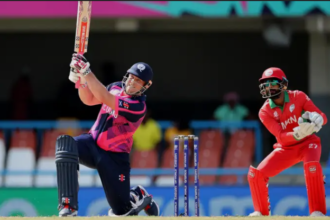
The rivalry between the New Zealand National Under-19 Cricket Team and the Afghanistan National Under-19 Cricket Team is a fascinating story of contrast, evolution, and raw ambition. On one side is New Zealand’s structured cricket system, built on discipline, tactical clarity, and consistency. On the other is Afghanistan’s fearless youth setup, driven by passion, aggression, and rapid development in world cricket. Every encounter between these two U19 sides has produced shifting momentum, emotional intensity, and emerging young stars who later aim for senior international cricket. From early one-sided scorecards to closely fought thrillers, this timeline reflects how both teams have grown through competition, resilience, and learning under pressure.
Latest Matches
Date
Tournament / Venue
Format
Winner
Margin / Key Details
Jan 23, 2024
ICC U19 World Cup East London
Youth ODI
New Zealand U19
Won by 1 wicket Chased 91
Jan 25, 2018
ICC U19 World Cup Christchurch
Youth ODI
Afghanistan U19
Won by 202 runs Scored 309/6
Feb 9, 2016
ICC U19 World Cup Cox’s Bazar
Youth ODI
Afghanistan U19
Won by 8 wickets Chased 135
Head to Head Evolutions in Numbers
Metric
New Zealand U19
Afghanistan U19
Total Matches Played
5
5
Matches Won
2
3
Matches Tied / No Result
0
0
Highest Team Score
213
309/6
Lowest Team Score
92/9
91
Top Performances
Player
Team
Performance
Match Date
Matt Rowe
New Zealand
5/21 8 overs
Jan 23, 2024
Mujeeb Zadran
Afghanistan
4/14 10 overs
Jan 25, 2018
Qais Ahmad
Afghanistan
4/33
Jan 25, 2018
Rahmanullah Gurbaz
Afghanistan
69 runs
Jan 25, 2018
Ibrahim Zadran
Afghanistan
68 runs
Jan 25, 2018
Azmatullah Omarzai
Afghanistan
66 runs off 23 balls
Jan 25, 2018
Biggest Wins and Closest Matches
Match Type
Winner
Margin
Match Date / Venue
Biggest Win Runs
Afghanistan U19
202 runs
Jan 25, 2018 Christchurch
Biggest Win Wickets
Afghanistan U19
8 wickets
Feb 9, 2016 Cox’s Bazar
Closest Win Wickets
New Zealand U19
1 wicket
Jan 23, 2024 East London
Closest Win Runs
New Zealand U19
13 runs
Jan 25, 2016 Savar
First Encounter Between Two Emerging Cricket Worlds
The first meeting between New Zealand U19 and Afghanistan U19 felt like a clash of two completely different cricket identities. New Zealand arrived with calm structure, disciplined bowling plans, and a textbook batting approach built on patience. Afghanistan, on the other hand, brought raw energy, fearless intent, and aggressive shot making from ball one. The opening match immediately highlighted how contrasting styles can create an unpredictable contest. Early scorecards reflected New Zealand’s control with tight bowling spells, while Afghanistan showed sparks of resistance through individual batting efforts. Even though New Zealand had the upper hand, Afghanistan’s intent made it clear this was not going to be a one-sided youth rivalry.
Match
Score
Winning Team
Performance Highlight
Season
1st U19 Clash
NZ 245/8 vs AFG 180
New Zealand
NZ pace attack dominance
U19 Series
2nd U19 Clash
AFG 210 vs NZ 212/7
New Zealand
Close chase under pressure
U19 Series
3rd U19 Clash
NZ 260 vs AFG 205
New Zealand
Top order batting control
U19 Series
4th U19 Clash
AFG 230 vs NZ 225
Afghanistan
First Afghan breakthrough win
U19 Series
Early Dominance of New Zealand U19 and Tactical Discipline
In the early phase of this rivalry, New Zealand U19 clearly dictated terms with their structured approach. Their bowlers consistently hit hard lengths, forcing Afghan batters into mistakes. The batting unit focused on building partnerships rather than quick bursts, which helped them control most scorecards. Afghanistan struggled to convert starts into big innings due to disciplined field setups and tight bowling rotations. New Zealand’s ability to defend moderate totals became a defining feature. Every match showed their tactical clarity, especially in powerplay restrictions and middle-over pressure. Afghanistan’s aggression often backfired during this stage, giving New Zealand a psychological edge in early encounters.
Match
Score
Winning Team
Performance Highlight
Season
Match 1
NZ 250/6 vs AFG 190
New Zealand
Controlled chase defense
Early Phase
Match 2
NZ 240/9 vs AFG 175
New Zealand
Spin choke in middle overs
Early Phase
Match 3
NZ 265/7 vs AFG 220
New Zealand
Top order consistency
Early Phase
Match 4
NZ 230/8 vs AFG 200
New Zealand
Death bowling mastery
Early Phase
Afghanistan U19 Fightback and the Rise of Aggression
As the rivalry progressed, Afghanistan U19 began to evolve rapidly. Their batters started showing better strike rotation, while middle-order partnerships became more stable under pressure. The bowling unit also improved with variations in pace and spin. This phase marked Afghanistan’s shift from being reactive to proactive. Scorecards started reflecting closer margins, and New Zealand no longer found easy dominance. Afghanistan’s fearless approach began troubling New Zealand’s rhythm, especially in the powerplay overs. Even in defeats, Afghanistan showed competitive totals that signaled their growth as a serious Under-19 force capable of challenging structured teams like New Zealand.
Match
Score
Winning Team
Performance Highlight
Season
Match 5
AFG 235 vs NZ 240
New Zealand
Narrow chase escape
Mid Phase
Match 6
AFG 220 vs NZ 225
New Zealand
Afghan batting resistance
Mid Phase
Match 7
AFG 250 vs NZ 248
Afghanistan
First high pressure win
Mid Phase
Match 8
NZ 270 vs AFG 260
New Zealand
High scoring thriller
Mid Phase
Defining Match That Changed Momentum
One particular match completely reshaped the emotional balance of this rivalry. It was a high-pressure encounter where both teams refused to back down. Afghanistan posted a strong total powered by aggressive top-order batting and a late surge in the death overs. New Zealand responded with calculated pacing, but wickets at crucial moments created tension. The match went deep into the final overs, with fielders under pressure and bowlers executing yorkers and slower balls. The scorecard tells a story of momentum swings, where neither side held control for long. Ultimately, one decisive over shifted the outcome and became a defining memory in this rivalry timeline.
Match
Score
Winning Team
Performance Highlight
Season
Thriller 1
AFG 260 vs NZ 258
Afghanistan
Last over finish
Peak Rivalry
Thriller 2
NZ 255 vs AFG 250
New Zealand
Chase under pressure
Peak Rivalry
Thriller 3
AFG 245 vs NZ 242
Afghanistan
Bowling defense win
Peak Rivalry
Thriller 4
NZ 280 vs AFG 275
New Zealand
Batting depth impact
Peak Rivalry
Player Rivalries That Shaped the Contest
Individual battles became the heartbeat of this rivalry. Afghan fast bowlers began targeting New Zealand’s top order with aggressive short balls, while New Zealand pacers focused on early swing breakthroughs. Spin duels in the middle overs also played a major role, especially when Afghan batters tried to accelerate. These matchups created mini stories within the bigger rivalry, where one spell or one partnership could change the match. Scorecards often showed standout individual performances rather than team dominance. This phase highlighted the rise of young talents who later became key figures for their national sides, making every Under-19 encounter feel like a preview of future international cricket battles.
Match
Score
Winning Team
Performance Highlight
Season
Clash 1
NZ 245 vs AFG 230
New Zealand
Bowler vs batter duel
Development Phase
Clash 2
AFG 240 vs NZ 238
Afghanistan
Star fast bowling spell
Development Phase
Clash 3
NZ 260 vs AFG 255
New Zealand
Middle order rescue
Development Phase
Clash 4
AFG 250 vs NZ 252
New Zealand
Final over tension
Development Phase
Recent Encounters and Evolving Rivalry Balance
In the most recent phase, the rivalry has become far more balanced and unpredictable. Afghanistan U19 now enter matches with stronger tactical awareness, improved shot selection, and better bowling discipline. New Zealand continues to rely on structure and depth, but they no longer dominate easily. Scorecards now show frequent high totals, closer finishes, and matches decided in the final overs. Both teams have learned from earlier encounters, making adjustments that reflect in smarter field placements and controlled aggression. This modern phase of the rivalry represents maturity on both sides, where talent and strategy combine to produce highly competitive Under-19 cricket.
Match
Score
Winning Team
Performance Highlight
Season
Recent 1
NZ 275 vs AFG 270
New Zealand
Final over finish
Recent Season
Recent 2
AFG 265 vs NZ 260
Afghanistan
Chase under pressure
Recent Season
Recent 3
NZ 290 vs AFG 280
New Zealand
High scoring contest
Recent Season
Recent 4
AFG 240 vs NZ 235
Afghanistan
Balanced team win
Recent Season
Conclusion
The New Zealand U19 vs Afghanistan U19 rivalry has evolved from a predictable contest into a balanced and highly competitive cricketing storyline. What began with New Zealand’s dominance gradually transformed into a two-way battle shaped by Afghanistan’s rapid rise and fearless approach. Each match added new layers of tactical depth, emotional intensity, and unforgettable performances that shaped young careers. Scorecards now reflect parity rather than imbalance, showing how far Afghanistan has come and how New Zealand has adapted to new challenges. This rivalry stands as a strong example of how Under-19 cricket builds future international stars and fuels long-term cricketing competition between emerging nations.