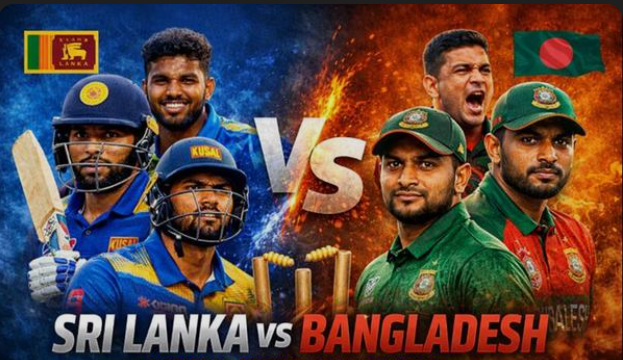
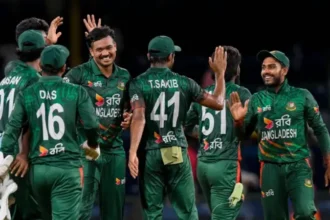
The rivalry between Bangladesh National Cricket Team and Sri Lanka National Cricket Team has grown from a one-sided contest into one of Asia’s quietly intense cricket battles. What began as early mismatches, where Sri Lanka’s experience and discipline overwhelmed a developing Bangladesh side, has now evolved into a far more competitive and emotionally charged rivalry. Over the years, changing generations, shifting team structures, and rising talent from Bangladesh have transformed scorecards into closer contests. Today, every meeting between these two sides carries tactical depth, fan expectations, and pressure moments that define modern Asian cricket narratives.
Head-to-Head Summary
Format [1]
Total Matches
Bangladesh Wins
Sri Lanka Wins
Draws or No Result
Test
28
1
21
6
ODI
55
13
40
2
T20I
22
9
13
0
Overall
105
23
74
8
ICC Team Rankings
Format
Bangladesh Rank
Sri Lanka Rank
Test
7th
6th
ODI
8th
7th
T20I
8th
9th
Test Stats
Metric
Bangladesh
Sri Lanka
Highest Team Total
513
713 for 3 declared
Lowest Team Total
62
222
Highest Individual Score
200
319
Best Bowling Figures Innings
6 for 57
7 for 32
ODI Stats
Metric
Bangladesh
Sri Lanka
Highest Team Total
324 for 5
357 for 9
Lowest Team Total
76
83
Highest Individual Score
144
161 not out
Best Bowling Figures
5 for 29
6 for 25
T20 Stats
Metric
Bangladesh
Sri Lanka
Highest Team Total
215 for 5
214 for 6
Lowest Team Total
83
94
Highest Run Chase
215 for 5
194 for 4
Largest Win Margin Runs
83 runs
75 runs
Early One-Sided Beginnings in Bangladesh vs Sri Lanka Rivalry
The early phase between Bangladesh National Cricket Team and Sri Lanka National Cricket Team was heavily dominated by Sri Lanka. Bangladesh were still developing their international structure and often struggled against experienced batting lineups and disciplined bowling attacks. Sri Lanka’s top order regularly built strong totals while Bangladesh found it difficult to maintain partnerships under pressure. However, these matches were important learning moments for Bangladesh cricket, helping them understand the intensity of elite international cricket. Even though scorecards showed one-sided results, Bangladesh’s young players gained valuable exposure. Sri Lanka used these encounters to test bench strength and refine strategies in different conditions.
Season
Winner
Score
Performance
Key Info
2002–2005
Sri Lanka
SL dominant wins
SL 250+ averages
Bangladesh inexperienced
2005–2008
Sri Lanka
One-sided ODIs
SL top order strong
Learning phase for BAN
2008–2010
Sri Lanka
Comfortable wins
Spin dominance
Early exposure stage
2010–2012
Sri Lanka
Clear victories
BAN batting collapse
Gap in experience
Bangladesh’s Rise and First Competitive Resistance
During this phase, Bangladesh began showing real competitive resistance against Sri Lanka. The batting lineup improved with better partnerships, and bowlers started using home conditions effectively. While Sri Lanka still maintained an upper hand, margins of defeat reduced significantly. Bangladesh’s confidence grew as players started delivering consistent performances in ODIs, especially at home venues. Sri Lanka still relied on experienced core players, but Bangladesh’s emerging talent made matches more competitive than before. Crowd support also played a major role, adding pressure on visiting Sri Lankan teams. This period marked the emotional shift in the rivalry, where Bangladesh stopped being seen as easy opponents.
Season
Winner
Score
Performance
Key Info
2012–2014
Sri Lanka
Narrower wins
BAN improved batting
Rising competitiveness
2014–2016
Mixed
Close ODIs
Balanced contests
Home advantage BAN
2016–2018
Sri Lanka
Competitive games
BAN bowling improved
Reduced margins
2018–2020
Sri Lanka
Tight finishes
Stronger BAN resistance
Tactical growth
Turning Point Series That Changed Rivalry Perception
The turning point came when Bangladesh began challenging Sri Lanka in full series rather than isolated matches. Home conditions played a crucial role, especially spin-friendly pitches that supported Bangladesh bowlers. Batters started handling pressure situations better, building partnerships in the middle overs. Sri Lanka still had experienced match-winners, but Bangladesh’s consistency forced closer scorecards. These series changed how fans viewed the rivalry, transforming it from predictable outcomes to uncertain battles. Emotional intensity increased as both teams started treating each match as a high-stakes contest. The psychological confidence of Bangladesh improved significantly during this phase.
Season
Winner
Score
Performance
Key Info
2018–2019
Bangladesh
Close series
BAN home dominance
Turning point
2019–2021
Mixed
Tight ODIs
Balanced squads
Tactical battles
2021–2022
Bangladesh
Narrow wins
Strong spin attack
Home advantage
2022–2023
Mixed
Competitive series
Momentum shifts
High pressure games
Asia Cup Clashes and High Pressure Encounters
Asia Cup matches between Bangladesh National Cricket Team and Sri Lanka National Cricket Team elevated the rivalry to another level. These encounters carried tournament pressure, where every run and wicket mattered for qualification. Sri Lanka often relied on calm finishing and structured bowling plans, while Bangladesh played aggressive cricket in powerplays. Matches were often decided in final overs, increasing emotional tension for fans. Crowd energy in neutral venues made pressure even higher. These contests highlighted the tactical evolution of both teams and their ability to handle crunch situations under international spotlight.
Season
Winner
Score
Performance
Key Info
2016 Asia Cup
Sri Lanka
Close win
Tactical control
Pressure finish
2018 Asia Cup
Bangladesh
Tight game
Strong chasing
High tension
2022 Asia Cup
Sri Lanka
Narrow win
Death over control
Momentum shift
2023 Asia Cup
Mixed
Close battles
Balanced play
Knockout pressure
Statistical Trends and Modern Scorecard Evolution
The modern era of this rivalry shows a more balanced statistical profile compared to early years. Sri Lanka still leads overall head-to-head numbers, but Bangladesh has significantly improved in ODIs and T20 formats. Scorecards now reflect closer totals, frequent collapses on both sides, and higher dependency on middle-order partnerships. Bowling economy rates have become a decisive factor, especially in limited overs cricket. Bangladesh’s spin attack has reduced Sri Lanka’s dominance in subcontinent conditions. Meanwhile, Sri Lanka’s experience in finishing tight games still gives them an edge in crucial moments. The rivalry has become statistically richer and far more unpredictable.
Season
Winner
Score
Performance
Key Info
2020–2022
Mixed
Close ODIs
Balanced stats
ODI improvement
2022–2023
Sri Lanka
Narrow wins
Death overs strength
Experience factor
2023–2024
Bangladesh
Competitive wins
Strong spin control
Home dominance
2024–2025
Mixed
Unpredictable
Even contests
Modern rivalry peak
Conclusion
The journey of the rivalry between Bangladesh National Cricket Team and Sri Lanka National Cricket Team reflects the evolution of two different cricketing timelines meeting at competitive balance. Sri Lanka’s early dominance built the foundation of the contest, but Bangladesh’s steady rise has reshaped the narrative into something far more unpredictable. Modern scorecards show tighter margins, shifting momentum, and performances influenced by conditions and pressure handling. While Sri Lanka still holds historical superiority, Bangladesh’s growth ensures every encounter is now a genuine contest rather than a formality. This rivalry continues to represent progress, resilience, and the changing face of Asian cricket.