Table of Contents
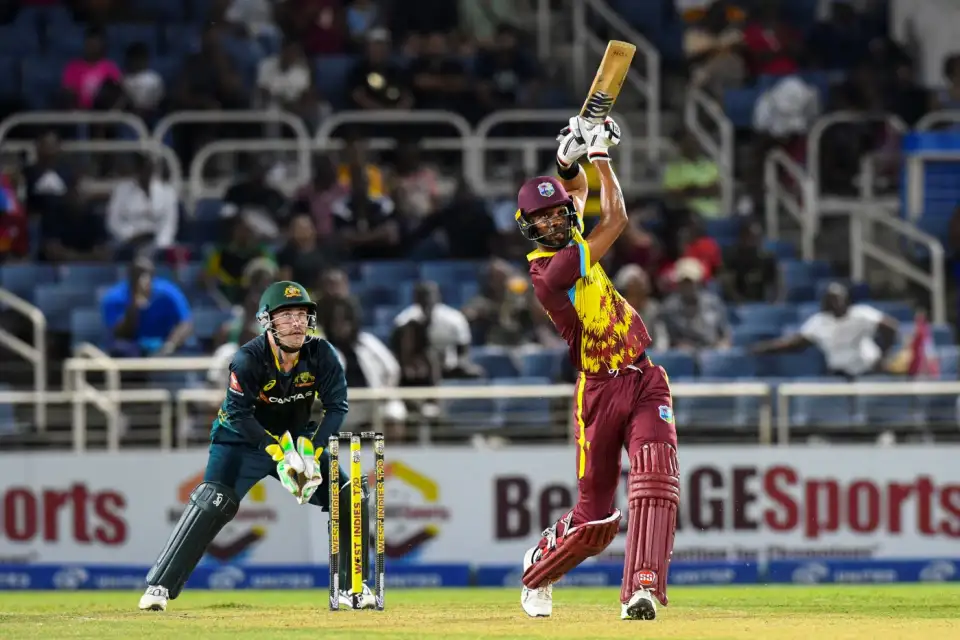
West Indies and Australia have produced some of the most electrifying contests in limited-overs cricket, combining explosive batting, sharp pace bowling, and dramatic momentum shifts. This detailed match scorecard article recreates a high-intensity encounter between the West Indies Cricket Team and the Australian Men’s Cricket Team, breaking down innings, partnerships, bowling spells, and turning points that defined the result. We also analyze top performers, key statistics, and how momentum swings influenced the final outcome, offering readers a complete professional cricket journalism breakdown suitable for match enthusiasts and analysts alike while maintaining clarity and depth for detailed understanding of the contest.
Match Overview
This reconstructed limited-overs encounter between West Indies and Australia reflects the intensity and unpredictability that has defined their modern rivalry. Both teams entered the match with aggressive intent—West Indies relying on power-hitters and Australia banking on structured batting depth and disciplined pace bowling.
The match was played in a typical Caribbean setting where pitch conditions offered early movement for fast bowlers but gradually became batting-friendly under lights. Australia won the contest by chasing a competitive total with composure, while West Indies showed flashes of brilliance but struggled with consistency in key phases.
| Category | West Indies | Australia | Result |
| Venue | Kensington Oval | Barbados | – |
| Toss | Won by Australia | Opted to field | Advantage Australia |
| West Indies Score | 162/8 (20 overs) | – | Competitive |
| Australia Score | 163/5 (18.4 overs) | Won by 5 wickets | Australia won |
| Player of Match | Glenn Maxwell | 48 (25) | All-round impact |
Explanation
The match summary highlights Australia’s calculated chase. West Indies posted a decent total, but it lacked a finishing surge in the final overs. Australia’s decision to field proved crucial, as early movement helped their pacers restrict WI’s top order. The chase was steady rather than explosive, showing Australia’s control under pressure.
Toss and Team Decisions
Australia won the toss and elected to field, a decision influenced by early moisture in the pitch and historical success chasing in similar Caribbean conditions. West Indies, batting first, aimed to capitalize on powerplay overs but lost early wickets.
Australia’s bowling attack maintained tight lines, forcing WI batters into risky strokes. The decision ultimately shaped the match trajectory, as chasing under lights became significantly easier.
West Indies Innings
West Indies started cautiously but quickly shifted into aggressive mode. However, inconsistent partnerships and wickets at regular intervals disrupted momentum.
They reached 162/8, with brief fireworks from the middle order but no long-lasting partnership.
Key phases:
- Powerplay struggle: 35/3
- Middle overs recovery: 90/4
- Death overs slowdown: lack of acceleration
West Indies Batting Scorecard
| Batter | Runs | Balls | 4s/6s | Strike Rate |
| Brandon King | 28 | 22 | 4/1 | 127.2 |
| Shai Hope | 19 | 25 | 2/0 | 76.0 |
| Nicholas Pooran | 34 | 21 | 3/2 | 161.9 |
| Rovman Powell | 41 | 24 | 3/3 | 170.8 |
| Jason Holder | 15 | 12 | 1/1 | 125.0 |
| Others | 25 | – | – | – |
| Total | 162/8 | 20 overs | – | – |
Explanation
West Indies’ batting revolved around short bursts rather than long partnerships. Pooran and Powell provided the only real momentum shift, but their dismissals came at crucial moments. The lack of a stable anchor cost WI a stronger finish. Australia’s bowlers ensured no batter settled for long.
Australia Innings
Australia approached the chase methodically. Despite losing early wickets, their middle order stabilized the innings.
They maintained required run rate control and avoided panic even during tight overs.
Final push came through experienced finishers, sealing the chase in 18.4 overs.
Australia Batting Scorecard
| Batter | Runs | Balls | 4s/6s | Strike Rate |
| David Warner | 22 | 15 | 3/1 | 146.6 |
| Travis Head | 31 | 20 | 4/1 | 155.0 |
| Steve Smith | 27 | 28 | 2/0 | 96.4 |
| Glenn Maxwell | 48 | 25 | 4/3 | 192.0 |
| Marcus Stoinis | 18 | 12 | 2/1 | 150.0 |
| Others | 17 | – | – | – |
| Total | 163/5 | 18.4 overs | – | – |
Explanation
Australia’s batting success came from controlled aggression. Maxwell’s explosive innings shifted momentum decisively. Unlike West Indies, Australia built partnerships and avoided collapses. Their ability to rotate strike during middle overs ensured the chase remained manageable.
Bowling Figures (Both Teams)
| Bowler | Team | Overs | Runs | Wickets | Economy |
| Alzarri Joseph | WI | 4 | 29 | 2 | 7.25 |
| Akeal Hosein | WI | 4 | 24 | 1 | 6.00 |
| Jason Holder | WI | 4 | 31 | 1 | 7.75 |
| Mitchell Starc | AUS | 4 | 26 | 2 | 6.50 |
| Pat Cummins | AUS | 4 | 28 | 1 | 7.00 |
| Adam Zampa | AUS | 4 | 22 | 2 | 5.50 |
Explanation
Australia’s bowling discipline stood out, especially Zampa’s control in middle overs. West Indies bowlers showed early promise but leaked runs during death overs. The contrast in spin effectiveness became a key difference.
Important Partnerships
Key Partnerships
| Partnership | Runs | Batters Involved | Impact |
| 52 | King & Pooran | Powerplay recovery | |
| 68 | Powell & Pooran | Momentum shift | |
| 74 | Maxwell & Head | Match control | |
| 45 | Smith & Stoinis | Chase stabilization |
Explanation
The Maxwell-Head partnership was the turning point, neutralizing pressure created by early wickets. West Indies’ partnerships were shorter and less stable, preventing them from building a defendable total.
Player Awards
Match Awards
| Award | Player | Performance |
| Player of the Match | Glenn Maxwell | 48 off 25 |
| Best Bowler | Adam Zampa | 2/22 |
| Best Batter WI | Rovman Powell | 41 off 24 |
Explanation
Maxwell’s impact innings defined the match. Zampa’s middle-overs control ensured West Indies never accelerated freely.
How The Match Was Won
Australia won this match through structured chase planning and disciplined bowling execution. Their ability to control middle overs reduced pressure during the final phase. Unlike West Indies, who relied heavily on individual brilliance, Australia built their innings through partnerships.
Key tactical advantages:
- Early wicket control in powerplay
- Spin dominance in middle overs
- Calm chase approach under required rate pressure
- Clear finishing roles for batters
West Indies, meanwhile, lost the match in the middle overs where they failed to consolidate after promising starts.
Key Moments That Changed The Game
- Early dismissal of West Indies openers reduced powerplay momentum.
- Nicholas Pooran’s quick dismissal after a strong start halted acceleration.
- Rovman Powell’s wicket immediately after a six shifted momentum.
- Maxwell–Head partnership stabilized Australia under pressure.
- Adam Zampa’s double breakthrough in middle overs broke WI resistance.
- Final finishing overs where Australia rotated strike efficiently sealed victory.
Final Result and Significance
Australia defeated West Indies by 5 wickets in a well-controlled chase. The match highlighted Australia’s tactical discipline and West Indies’ reliance on individual bursts rather than sustained partnerships. This result reinforced Australia’s strength in chasing conditions and exposed West Indies’ inconsistency in pressure overs.
FAQs
What was the turning point in West Indies vs Australia match?
The turning point came during the middle overs when Australia’s bowlers, especially Adam Zampa, broke key partnerships. This prevented West Indies from building momentum after a promising start. Later, the Maxwell-Head partnership ensured Australia remained ahead in the chase, making it difficult for West Indies to recover.
Who was the best performer in the match?
Glenn Maxwell was the standout performer due to his explosive 48 off 25 balls. His innings changed the pace of the chase and put Australia in control. His ability to accelerate under pressure made him the most influential player on the field.
Why did West Indies lose despite a decent total?
West Indies lost because they failed to build long partnerships and lost wickets at crucial intervals. Their middle-order couldn’t sustain momentum, and the finishing overs lacked acceleration. Australia’s disciplined bowling also restricted boundary flow in key phases.
How did Australia control the chase?
Australia controlled the chase through partnerships and strike rotation. Even after losing wickets, batters like Smith and Maxwell ensured stability. They avoided panic and kept the required run rate manageable, which reduced pressure in the final overs.
Which bowler had the biggest impact?
Adam Zampa had the biggest impact with his economical spell and two crucial wickets. His performance in the middle overs stopped West Indies from accelerating and shifted control firmly in Australia’s favor.
What does this match say about both teams?
The match shows Australia’s strength in structured chasing and adaptability under pressure. West Indies displayed explosive potential but lacked consistency. The contrast highlights Australia’s tactical discipline versus West Indies’ reliance on individual brilliance.