Table of Contents
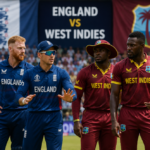
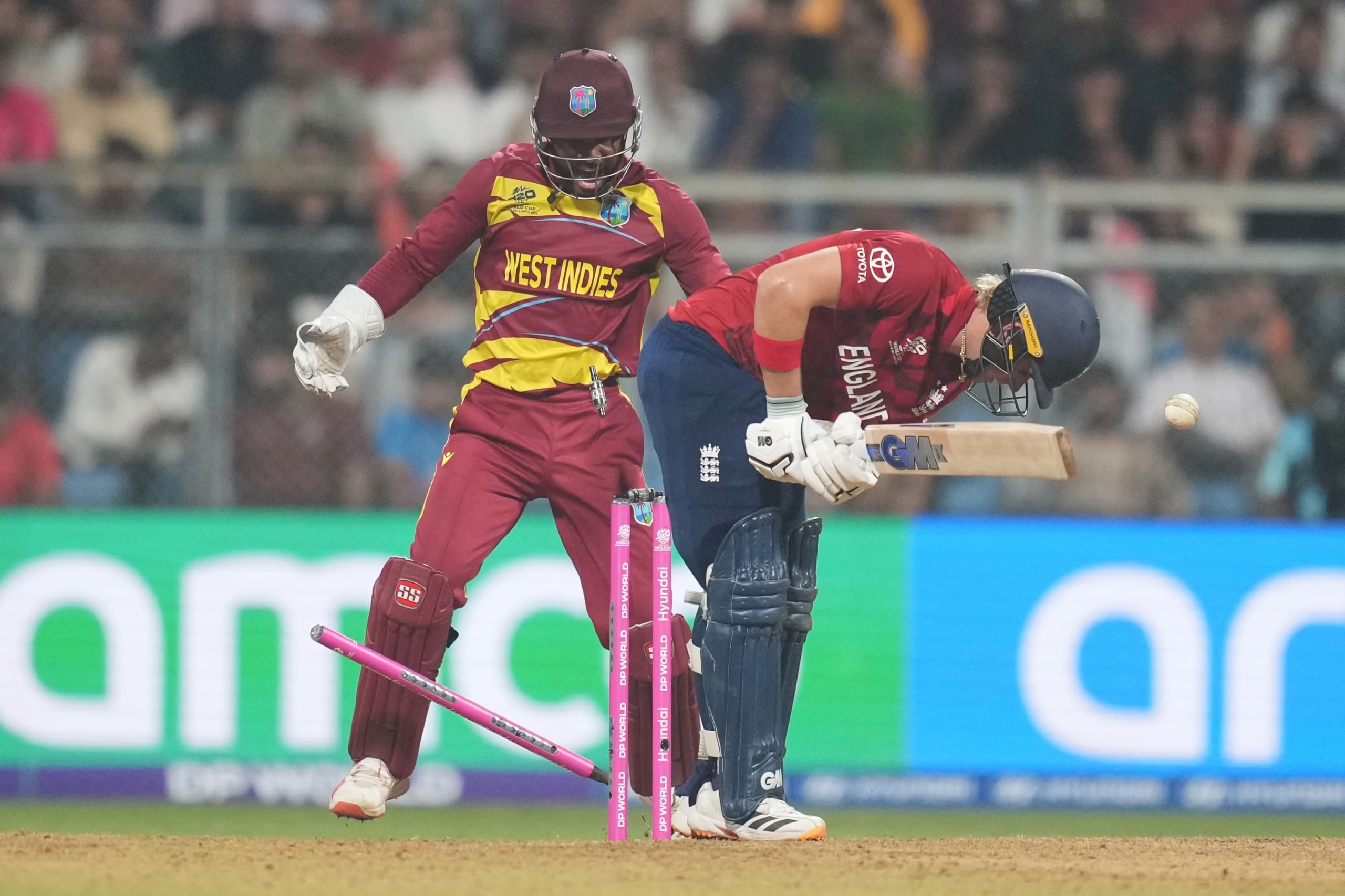
The rivalry between England and West Indies has produced some of the most defining moments in cricket history. From the dominance of the Caribbean giants during the 1970s and 1980s to England’s resurgence in the modern era, the contest has continuously evolved across formats and generations. Statistics tell the story of victories and defeats, but they also reveal changing cricket cultures, tactical developments, and legendary individual performances. Looking closely at England cricket team vs West Indies cricket team stats offers a fascinating insight into how two proud cricketing nations have shaped each other’s histories through memorable battles, record-breaking achievements, and some of the sport’s most unforgettable performances.
The Historical Head-to-Head Record
Few rivalries in world cricket carry the weight of history seen between England and West Indies. Their first Test encounter dates back to 1928, and since then the rivalry has traveled through eras of English resilience and Caribbean supremacy.
| Format | Matches | England Wins | West Indies Wins | Draw/No Result |
|---|---|---|---|---|
| Tests | 165+ | 53+ | 59+ | 53+ |
| ODIs | 105+ | 54+ | 45+ | 6+ |
| T20Is | 35+ | 17+ | 18+ | 0 |
The numbers indicate how competitive the rivalry has remained. While England have gained ground in recent decades, West Indies dominated large periods of the twentieth century.
The Test figures are particularly revealing. Despite England’s advantages in resources and home conditions, West Indies built a remarkable winning record during their golden era. In white-ball cricket, England hold a slight edge overall, but the margins remain narrow.
These statistics matter because they demonstrate that neither side has enjoyed uninterrupted superiority. Every generation has witnessed a shift in momentum.
Test Cricket: The Foundation of the Rivalry
Test cricket remains the purest measure of the England-West Indies rivalry. It is where legends earned their reputations and where the most significant statistical trends emerged.
| Test Era | Dominant Team | Key Statistic |
|---|---|---|
| 1928–1965 | England | More series wins |
| 1966–1979 | Competitive | Balanced contests |
| 1980–1995 | West Indies | Virtually unbeatable |
| 1996–2010 | England | Consistent superiority |
| 2011–Present | Mixed | Closer contests |
The table highlights how dramatically the balance of power shifted over time.
West Indies’ dominance during the 1980s remains one of the greatest periods by any cricket team. Their fearsome pace attacks dismantled England repeatedly, producing a statistical advantage that still influences overall records today.
England’s revival after the mid-1990s coincided with stronger domestic structures and improved player development. As a result, recent statistics have steadily narrowed the historical gap.
The evolution of these numbers tells a broader story about cricketing cycles rather than isolated results.
Batting Records That Defined Generations
Many of cricket’s greatest batters have shaped this rivalry through exceptional performances.
| Player | Team | Runs |
|---|---|---|
| Sir Vivian Richards | West Indies | 2800+ |
| Gordon Greenidge | West Indies | 2400+ |
| Brian Lara | West Indies | 2300+ |
| Joe Root | England | 2200+ |
| Alastair Cook | England | 2100+ |
The dominance of West Indian names reflects the strength of Caribbean batting during their golden years.
Sir Vivian Richards stands out not simply because of his runs but because of the manner in which he scored them. His strike rate and authority often changed the course of matches.
For England, Joe Root has emerged as the modern benchmark. His consistency across home and away conditions has allowed him to challenge records once thought unreachable.
These batting statistics reveal how elite performers often become symbols of entire eras.
Bowling Records and the Battle for Dominance
If batting built reputations, bowling often decided the outcome of England-West Indies encounters.
| Bowler | Team | Wickets |
|---|---|---|
| Courtney Walsh | West Indies | 130+ |
| Curtly Ambrose | West Indies | 90+ |
| Malcolm Marshall | West Indies | 90+ |
| James Anderson | England | 110+ |
| Stuart Broad | England | 80+ |
The numbers highlight an interesting trend.
West Indies produced devastating fast bowlers in clusters, creating relentless pressure. England, by contrast, often relied on long-serving spearheads who accumulated wickets across many years.
James Anderson became one of the most successful bowlers in the rivalry through remarkable longevity. Meanwhile, Curtly Ambrose remains synonymous with intimidation and precision.
The wicket tallies demonstrate that bowling excellence has been central to every major shift in the rivalry.
Highest Team Totals and Lowest Scores
Extreme performances often reveal the biggest differences between the teams.
| Record Type | Team | Score |
|---|---|---|
| Highest Test Total | England | 849 |
| Highest ODI Total | England | 418+ |
| Highest T20I Total | England | 267+ |
| Lowest Test Total | West Indies | 47 |
| Lowest ODI Total | England | 46 |
| Lowest T20I Total | West Indies | 45 |
The contrast between highest and lowest totals illustrates cricket’s unpredictability.
England’s modern batting revolution is reflected in their white-ball records. Their aggressive approach has produced totals once considered impossible.
West Indies, meanwhile, have experienced both extremes. While capable of explosive scoring, they have occasionally suffered dramatic collapses against disciplined bowling attacks.
These figures show how cricket statistics often capture moments of brilliance and vulnerability in equal measure.
Memorable Individual Performances
Some performances transcend ordinary statistics and become part of cricket folklore.
| Player | Performance | Format |
|---|---|---|
| Brian Lara | 400* | Test |
| Graham Gooch | 333 | Test |
| Ben Stokes | Match-winning century | Test |
| Viv Richards | Dominant ODI innings | ODI |
| Chris Gayle | Explosive T20 innings | T20I |
Numbers alone cannot fully explain these performances.
Brian Lara’s unbeaten 400 remains one of the most celebrated innings in cricket history. It demonstrated technical mastery, concentration, and endurance.
For England, Ben Stokes has produced several match-defining innings that altered series outcomes.
These performances are important because they influenced not only scorecards but also the psychological direction of the rivalry.
Team Performance Comparison Across Formats
Modern cricket demands success across Tests, ODIs, and T20Is.
| Category | England | West Indies |
|---|---|---|
| Test Ranking Success | Higher consistency | Sporadic success |
| ODI World Cups | 1 | 0 |
| T20 World Cups | 2 | 2 |
| Home Win Percentage | Strong | Strong |
| Away Win Percentage | Better | Lower |
The statistics suggest contrasting cricketing identities.
England have built balanced squads capable of competing consistently across formats. Their structures reward adaptability and depth.
West Indies have often excelled in T20 cricket thanks to their natural power-hitting and match-winning all-rounders. Their two T20 World Cup titles underline this strength.
The comparison shows that while England have enjoyed greater consistency, West Indies have often produced higher peaks in shorter formats.
What The Statistics Really Reveal
Statistics become meaningful only when viewed in context.
One hidden trend is that West Indies’ overall historical numbers remain heavily influenced by their extraordinary 1980s dominance. Without that period, the rivalry would appear much more balanced.
Another important insight is England’s growing superiority in white-ball cricket after 2015. Their emphasis on aggressive batting transformed their statistical profile and produced some of the highest team totals ever recorded.
Home conditions also play a major role. England’s seam-friendly pitches often favor disciplined bowling attacks, while Caribbean conditions traditionally rewarded pace and athleticism.
The numbers further reveal how cricket has evolved. Earlier contests were defined by endurance and patience, while modern matches are shaped by strike rates, boundary percentages, and scoring acceleration.
Ultimately, statistics show not just who won but how cricket itself changed across generations.
Interesting Stats Every Cricket Fan Should Know
- West Indies remained unbeaten against England in Test series for more than a decade during their peak years.
- Brian Lara scored multiple double centuries against England.
- England’s highest ODI total against West Indies crossed 400 runs.
- James Anderson is among the leading wicket-takers in the rivalry.
- West Indies won the inaugural T20 World Cup involving England as a major contender.
- Viv Richards averaged over 50 against England in Tests.
- England have won more matches in the rivalry since the year 2000.
- Several England-West Indies Tests have finished inside three days due to dominant bowling displays.
- Chris Gayle produced some of his fastest international innings against England.
- The rivalry has featured multiple world-record performances, including Lara’s unbeaten 400.
Why This Rivalry Remains Statistically Fascinating
Unlike many international rivalries where one side dominates the overall numbers, England and West Indies have experienced alternating periods of supremacy.
The rivalry showcases every aspect of cricket’s evolution. It includes timeless Test battles, explosive ODI encounters, and high-scoring T20 contests. Statistical records span nearly a century, offering a unique lens through which to study cricket history.
What makes the numbers particularly compelling is the contrast between eras. West Indies symbolize one of the sport’s greatest dynasties, while England represent modernization and sustained development.
That combination ensures that every new match adds another chapter to a statistical story already rich with records, milestones, and unforgettable performances.
Conclusion
England cricket team vs West Indies cricket team stats provide far more than a collection of numbers. They reveal changing eras, legendary players, evolving tactics, and the rise and fall of cricketing dynasties. From the fearsome West Indian pace attacks of the 1980s to England’s modern white-ball revolution, each statistic reflects a deeper story about competition and excellence. The rivalry has produced world records, iconic performances, and unforgettable series that continue to influence international cricket. As future generations add new chapters, the numbers will keep evolving, but the significance of this historic contest will remain one of the most fascinating statistical narratives in world cricket.
FAQs
Which team has won more matches overall between England and West Indies?
The answer depends on the format being considered. West Indies historically built a strong advantage in Test cricket during their dominant years from the late 1970s through the early 1990s. England, however, have significantly improved their record since the turn of the century and have performed strongly in both ODI and T20 cricket. Overall statistics remain relatively competitive, which is one reason this rivalry continues to attract attention from cricket followers around the world.
Who has scored the most runs in England vs West Indies matches?
Several legendary batters feature prominently in the run-scoring charts. Viv Richards, Brian Lara, Gordon Greenidge, Joe Root, and Alastair Cook are among the most prolific performers. Richards combined consistency with aggressive stroke play, while Lara produced several historic innings. In the modern era, Joe Root has emerged as one of England’s leading contributors through his ability to score heavily across different conditions and formats.
Which bowler has taken the most wickets in the rivalry?
James Anderson ranks among the most successful bowlers in England-West Indies contests, especially in Test cricket. West Indies legends such as Courtney Walsh, Curtly Ambrose, and Malcolm Marshall also accumulated remarkable wicket tallies. Their achievements reflect different eras of the rivalry, with the West Indian pacers dominating during the Caribbean golden age and Anderson excelling through longevity and exceptional skill in English conditions.
What is the highest team score recorded between England and West Indies?
England hold several of the highest team totals recorded in matches between the two sides, particularly in modern limited-overs cricket. Their aggressive batting philosophy has produced scores exceeding 400 runs in ODIs and massive totals in Test cricket. These records highlight how the game has evolved, with contemporary batting approaches generating scoring rates that were almost unimaginable in previous generations.
Why are the 1980s so important in England-West Indies statistics?
The 1980s represent the period when West Indies established themselves as arguably the strongest cricket team in the world. Their combination of destructive fast bowling and world-class batting allowed them to dominate England consistently. Many of the rivalry’s most significant records were created during this era. As a result, any analysis of England-West Indies statistics must consider the enormous impact of those years on the overall historical numbers.
What makes England vs West Indies one of cricket’s most important rivalries?
The rivalry combines history, competitiveness, and iconic individual performances. It spans nearly a century and includes some of the game’s greatest players, from Viv Richards and Brian Lara to James Anderson and Joe Root. The statistics reveal changing eras of dominance, evolving playing styles, and numerous world-record performances. Few rivalries provide such a complete picture of cricket’s development across multiple generations and formats.