Table of Contents
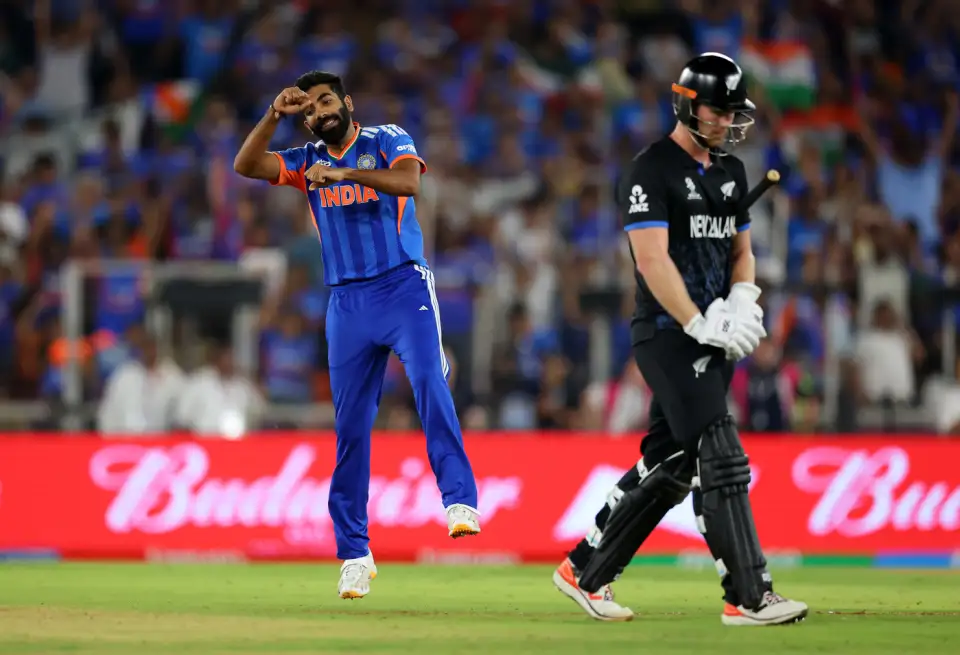
The ICC Champions Trophy 2025 final delivered a fitting conclusion to one of cricket’s most competitive tournaments as India and New Zealand met in a high-pressure showdown in Dubai. Both teams entered the contest unbeaten and carried strong momentum throughout the competition. New Zealand chose to bat first and posted a competitive total, but India responded with a composed chase led by captain Rohit Sharma. The match featured outstanding spin bowling, crucial partnerships, and several momentum swings before India eventually secured a memorable victory. This complete match scorecard analysis examines every major moment, performance, statistic, and turning point.
Match Overview
The final was played at Dubai International Cricket Stadium on 9 March 2025. New Zealand won the toss and elected to bat first, aiming to put scoreboard pressure on India in a title-deciding encounter. India’s spin attack restricted the scoring rate during the middle overs before Rohit Sharma anchored a successful chase. India won by four wickets with one over remaining to claim their third Champions Trophy title.
| Match Details | Information |
|---|---|
| Tournament | ICC Champions Trophy 2025 Final |
| Venue | Dubai International Cricket Stadium |
| Date | 9 March 2025 |
| Toss | New Zealand won and elected to bat |
| New Zealand Score | 251/7 (50 overs) |
| India Score | 254/6 (49 overs) |
| Result | India won by 4 wickets |
| Player of the Match | Rohit Sharma |
This summary highlights how closely contested the final was. A target of 252 in a championship match is rarely straightforward, particularly against New Zealand’s disciplined bowling attack. India’s ability to maintain composure under pressure ultimately made the difference. Rohit Sharma’s leadership and aggressive start laid the foundation for the successful chase while India’s spinners controlled crucial phases of the game.
Toss and Team Decisions
New Zealand captain Mitchell Santner won the toss and opted to bat first. The decision appeared logical considering the importance of scoreboard pressure in a major final.
Initially, the move looked promising as New Zealand’s top order started positively. However, India’s spin quartet gradually slowed the run rate. The Dubai surface offered grip and turn, allowing India’s bowlers to dictate terms during the middle overs.
India, meanwhile, remained patient. Their bowling plans revolved around attacking with spin and forcing New Zealand’s batters into mistakes. The strategy proved highly effective as wickets fell at regular intervals.
New Zealand Innings Analysis-251/7 (50 overs)
New Zealand’s innings was a tale of two halves. The top order provided a steady platform before India’s spinners tightened the screws.
New Zealand Batting Scorecard
| Batter | Runs | Balls | 4s | 6s |
|---|---|---|---|---|
| Will Young | 15 | 23 | 2 | 0 |
| Rachin Ravindra | 37 | 29 | 4 | 1 |
| Kane Williamson | 11 | 14 | 1 | 0 |
| Daryl Mitchell | 63 | 101 | 3 | 0 |
| Tom Latham | 14 | 30 | 0 | 0 |
| Glenn Phillips | 34 | 52 | 2 | 1 |
| Michael Bracewell | 53* | 40 | 3 | 2 |
| Mitchell Santner | 8 | 10 | 0 | 0 |
| Nathan Smith | 0* | 1 | 0 | 0 |
| Extras | 16 | |||
| Total | 251/7 | 50 Overs |
Daryl Mitchell played the anchoring role with a patient 63, ensuring New Zealand did not collapse after losing early wickets. Michael Bracewell‘s unbeaten 53 from 40 balls transformed what looked like a below-par score into a competitive total.
Rachin Ravindra’s brisk 37 helped New Zealand gain momentum early, but India’s bowlers struck at critical intervals. Kane Williamson’s dismissal shortly after Ravindra’s wicket represented a major setback.
India Bowling Scorecard
| Bowler | Overs | Runs | Wickets | Economy |
|---|---|---|---|---|
| Mohammed Shami | 9 | 74 | 1 | 8.22 |
| Hardik Pandya | 3 | 30 | 0 | 10.00 |
| Varun Chakravarthy | 10 | 45 | 2 | 4.50 |
| Kuldeep Yadav | 10 | 40 | 2 | 4.00 |
| Axar Patel | 8 | 29 | 0 | 3.63 |
| Ravindra Jadeja | 10 | 30 | 1 | 3.00 |
The bowling figures reveal the impact of India’s spinners. Kuldeep Yadav and Varun Chakravarthy claimed two wickets each while maintaining excellent economy rates.
Jadeja’s control during the middle overs was equally significant. Together, India’s spinners bowled 38 overs and prevented New Zealand from accelerating consistently. Their discipline ensured the target remained within reach.
India Innings Analysis-254/6 (49 overs)
Chasing 252 in a final requires a balance of aggression and patience. India achieved precisely that.
India Batting Scorecard
| Batter | Runs | Balls | 4s | 6s |
|---|---|---|---|---|
| Rohit Sharma | 76 | 83 | 7 | 3 |
| Shubman Gill | 31 | 50 | 0 | 1 |
| Virat Kohli | 1 | 2 | 0 | 0 |
| Shreyas Iyer | 48 | 62 | 2 | 2 |
| Axar Patel | 29 | 40 | 1 | 1 |
| KL Rahul | 34* | 33 | 1 | 1 |
| Hardik Pandya | 18 | 18 | 1 | 1 |
| Ravindra Jadeja | 9* | 6 | 1 | 0 |
| Total | 254/6 | 49 Overs |
Rohit Sharma produced a captain’s innings under immense pressure. His 76 gave India complete control during the opening phase of the chase.
After the quick dismissal of Virat Kohli, New Zealand sensed an opportunity. However, Shreyas Iyer’s composed 48 and KL Rahul’s unbeaten 34 ensured India stayed on track.
The middle order absorbed pressure effectively and prevented New Zealand from gaining prolonged momentum.
New Zealand Bowling Scorecard
| Bowler | Overs | Runs | Wickets |
|---|---|---|---|
| Mitchell Santner | 10 | 46 | 2 |
| Michael Bracewell | 10 | 28 | 2 |
| Kyle Jamieson | 5 | 24 | 1 |
| Others | 24 | 156 | 1 |
| Total | 49 | 254 | 6 |
Bracewell delivered an exceptional spell, taking two wickets and conceding only 28 runs from his ten overs. Santner also struck twice and kept pressure on India’s batters.
Despite their efforts, New Zealand lacked the additional wicket-taking support needed to derail India’s chase. The inability to dismiss Rahul late in the innings proved costly.
Top Performers
Best Individual Performances
| Player | Team | Performance |
|---|---|---|
| Rohit Sharma | India | 76 (83) |
| Daryl Mitchell | New Zealand | 63 (101) |
| Michael Bracewell | New Zealand | 53* (40) & 2 wickets |
| Kuldeep Yadav | India | 2/40 |
| Varun Chakravarthy | India | 2/45 |
| KL Rahul | India | 34* (33) |
Rohit Sharma’s innings remains the defining performance of the final. He attacked when required and absorbed pressure when wickets fell around him.
Bracewell delivered one of the finest all-round performances in a major final, contributing significantly with both bat and ball. Unfortunately for New Zealand, his efforts were not enough to secure victory.
How The Match Was Won
India’s victory stemmed from three decisive factors.
First, their spin attack controlled the middle overs. Kuldeep Yadav, Jadeja, Axar Patel, and Varun Chakravarthy collectively prevented New Zealand from building substantial partnerships.
Second, Rohit Sharma’s aggressive approach at the top reduced scoreboard pressure. His attacking stroke play forced New Zealand’s bowlers onto the defensive.
Third, India’s middle order displayed remarkable composure. Even after losing key wickets, players like Iyer, Axar, and Rahul never allowed panic to enter the dressing room.
The combination of disciplined bowling and calculated batting ultimately secured the championship.
Key Moments That Changed The Game
1. Kuldeep Yadav Removes Rachin Ravindra
Ravindra was scoring freely and looked capable of dominating the innings. His dismissal halted New Zealand’s momentum.
2. Kane Williamson’s Early Exit
Kuldeep struck again by dismissing Williamson. Losing the team’s most experienced batter significantly weakened New Zealand’s middle order.
3. Bracewell’s Late Counterattack
Bracewell’s unbeaten fifty pushed New Zealand beyond 250. Without those runs, the contest may have ended much earlier.
4. Rohit and Gill’s 105-Run Opening Stand
This partnership immediately shifted pressure back onto New Zealand and established control of the chase.
5. Virat Kohli’s Quick Dismissal
Although Kohli departed cheaply, India’s response through Iyer and Axar demonstrated resilience.
6. KL Rahul’s Finishing Role
Rahul remained unbeaten and expertly managed the final stages of the chase, ensuring India crossed the line without unnecessary risks.
Final Result and Significance
India defeated New Zealand by four wickets to win the ICC Champions Trophy 2025. The victory secured India’s third Champions Trophy title and reinforced their position among the strongest white-ball teams in world cricket.
Beyond the trophy itself, the win demonstrated India’s depth, adaptability, and ability to perform under pressure. Their unbeaten campaign throughout the tournament further highlighted their consistency.
For New Zealand, the defeat was disappointing but their performances throughout the tournament showcased their competitiveness and resilience on the global stage. The final attracted enormous global attention and became one of the most-watched matches in Champions Trophy history.
Conclusion
The India national cricket team vs New Zealand national cricket team match scorecard from the ICC Champions Trophy 2025 final tells the story of a high-quality contest between two elite cricketing nations. New Zealand battled hard through contributions from Daryl Mitchell and Michael Bracewell, while India relied on their exceptional spin attack and a match-winning innings from Rohit Sharma. Strategic bowling changes, critical partnerships, and calm finishing from KL Rahul helped India complete a successful chase of 252. Ultimately, the final showcased why both teams are respected globally, while India’s balanced performance deservedly earned them another major ICC trophy.
FAQs
Who won the India vs New Zealand Champions Trophy 2025 final?
India won the final by four wickets after successfully chasing New Zealand’s total of 251/7. The victory came with six balls remaining in the innings. Rohit Sharma’s 76, supported by valuable contributions from Shreyas Iyer and KL Rahul, helped India secure the championship. The result gave India their third ICC Champions Trophy title and completed an unbeaten tournament campaign.
Who was the Player of the Match in the final?
Rohit Sharma received the Player of the Match award for his outstanding innings of 76 runs from 83 balls. His aggressive start allowed India to gain early control of the chase. The innings included seven boundaries and three sixes, making it one of the most influential knocks of the tournament. His leadership and batting proved crucial in the title-winning effort.
What was New Zealand’s final score in the match?
New Zealand scored 251 runs for the loss of seven wickets in their allotted 50 overs. Daryl Mitchell top-scored with 63 runs while Michael Bracewell contributed an unbeaten 53. Despite reaching a respectable total, the innings lacked enough acceleration during the middle overs because of India’s disciplined spin bowling attack.
Which bowlers performed best for India?
Kuldeep Yadav and Varun Chakravarthy were India’s most successful wicket-takers, claiming two wickets each. Ravindra Jadeja also contributed with an important wicket while maintaining excellent control. Their economical spells restricted New Zealand’s scoring opportunities and played a major role in keeping the target within India’s reach.
What was the most important partnership of the match?
The 105-run opening partnership between Rohit Sharma and Shubman Gill was arguably the most important stand of the final. It gave India a strong platform in the chase and reduced pressure on the middle order. By dominating the early overs, the pair ensured that India stayed ahead of the required run rate for much of the innings.
Why is this match considered significant in India’s cricket history?
The victory strengthened India’s reputation as one of the dominant teams in world cricket. Winning an ICC final against a strong New Zealand side while remaining unbeaten throughout the tournament highlighted the team’s consistency and depth. The triumph added another major ICC trophy to India’s collection and further cemented Rohit Sharma’s legacy as a successful captain.