Table of Contents
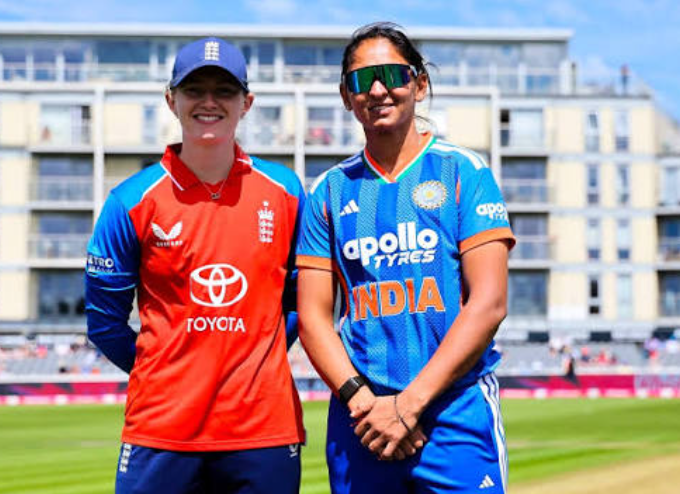
The rivalry between the England women’s national cricket team vs India women’s national cricket team players is one of the most competitive matchups in modern women’s cricket. The team representing the England women’s national cricket team and the India women’s national cricket team have consistently produced thrilling encounters across Tests, ODIs, and T20Is. Both sides feature world-class batters, sharp bowlers, and impactful all-rounders who can change the course of a match at any moment. From ICC tournaments to bilateral series, this rivalry has delivered unforgettable performances and historic moments. In this article, we break down head-to-head records, key players, batting and bowling strengths, and recent trends between these two cricket powerhouses.
Head-to-Head Record: England Women vs India Women Players
The England women’s national cricket team vs India women’s national cricket team players rivalry has historically been slightly in favor of England, especially in home conditions. However, India has significantly improved over the last decade, making matches far more competitive.
England’s experience in English conditions often gives them an advantage, while India performs strongly in subcontinent conditions. Across formats, England leads in overall wins, but India has produced key victories in ICC events and major series.
| Format | Matches Played | England Wins | India Wins |
|---|---|---|---|
| ODIs | 60+ | Slight edge | Competitive |
| T20Is | 25+ | Higher | Close gap |
| Tests | Few | England edge | India improving |
Batting Strength Comparison
Batting is one of the most exciting aspects of the England women’s national cricket team vs India women’s national cricket team players rivalry. England has produced elite batters like Nat Sciver-Brunt, Tammy Beaumont, and Heather Knight, known for their consistency and adaptability.
India counters with stars such as Smriti Mandhana, Harmanpreet Kaur, and Jemimah Rodrigues, who bring aggression and flair. India’s batting lineup is highly dynamic in limited-overs cricket, while England focuses on stability and structure.
The clash of styles makes this rivalry entertaining and unpredictable.
| Team | Key Batters | Strength |
|---|---|---|
| England | Sciver-Brunt, Beaumont, Knight | Consistency & technique |
| India | Mandhana, Kaur, Rodrigues | Aggression & creativity |
Bowling Attack Comparison
Bowling plays a crucial role in matches between the England women’s national cricket team vs India women’s national cricket team players. England has a balanced attack featuring Sophie Ecclestone, Katherine Brunt, and Kate Cross, offering both spin and seam variety.
India relies on bowlers like Renuka Singh, Deepti Sharma, and Rajeshwari Gayakwad, who bring control and versatility. India’s pace attack has improved significantly, making them more competitive in overseas conditions.
England’s bowling depth often gives them an edge in home conditions, while India thrives in spin-friendly pitches.
| Team | Key Bowlers | Style |
|---|---|---|
| England | Ecclestone, Brunt, Cross | Balanced attack |
| India | Renuka, Deepti, Gayakwad | Spin + seam mix |
All-Rounders Impact
All-rounders are extremely important in the England women’s national cricket team vs India women’s national cricket team players contests. England has world-class all-rounders like Nat Sciver-Brunt, who contributes heavily with both bat and ball, and plays a match-winning role consistently.
India counters with Deepti Sharma and Pooja Vastrakar, who provide balance and flexibility in the lineup. These players often determine the outcome of close matches, especially in ODIs and T20Is.
All-round strength is a key factor that keeps this rivalry highly competitive.
| Team | Key All-Rounders | Contribution |
|---|---|---|
| England | Sciver-Brunt | Elite batting + bowling |
| India | Deepti Sharma, Vastrakar | Balanced impact |
Recent Form and Performance Trends
In recent years, the England women’s national cricket team vs India women’s national cricket team players rivalry has become more balanced. England continues to perform strongly in ICC tournaments, especially in home conditions, while India has improved its consistency and squad depth.
India’s batting has become more aggressive, and their bowling attack is more adaptable across conditions. England, however, maintains strong experience and tactical discipline.
This evolution has made their matches closer and more unpredictable than ever.
| Team | Recent Strength | Weakness |
|---|---|---|
| England | Home dominance | Inconsistent away form |
| India | Improved all-round game | Occasional batting collapses |
ICC Tournament Encounters
Encounters between the England women’s national cricket team and the India women’s national cricket team in ICC tournaments are always high-pressure contests. England has historically performed well in knockout stages, while India has produced memorable upsets and strong group-stage performances.
One of the most famous clashes remains the 2017 Women’s World Cup final, where England narrowly defeated India in a dramatic finish.
These matches often define tournament momentum and rankings.
| Tournament | Result Trend | Key Insight |
|---|---|---|
| World Cup | England edge | Close finals |
| T20 World Cup | Mixed results | Competitive rivalry |
Key Players to Watch
Both teams feature some of the best talents in women’s cricket. England relies on Nat Sciver-Brunt, Sophie Ecclestone, and Heather Knight for leadership and performance.
India depends on Smriti Mandhana, Harmanpreet Kaur, and Deepti Sharma, who consistently deliver match-winning performances.
These players shape the future of this rivalry and bring global attention to women’s cricket.
| Team | Players | Role |
|---|---|---|
| England | Sciver-Brunt, Ecclestone, Knight | Leadership & balance |
| India | Mandhana, Kaur, Sharma | Batting & all-round strength |
Strengths and Weaknesses Comparison
The England women’s national cricket team vs India women’s national cricket team players matchup highlights two very strong but different teams. England is known for discipline, structure, and strong bowling depth, especially in home conditions.
India stands out for aggressive batting, improving bowling attack, and rising all-round strength. However, inconsistency remains a challenge for both sides in different conditions.
This balance ensures highly competitive and entertaining matches.
| Category | England | India |
|---|---|---|
| Batting | Structured | Aggressive |
| Bowling | Balanced | Improving |
| Experience | High | Growing rapidly |
Conclusion
The rivalry between the England women’s national cricket team vs India women’s national cricket team players continues to grow in intensity and quality. Both teams bring unique strengths—England with its experience and tactical depth, and India with its aggressive batting and improving bowling unit. Over the years, fans have witnessed historic matches, thrilling finishes, and world-class performances from both sides. As women’s cricket continues to evolve, this rivalry is expected to become even more competitive, making every encounter a must-watch for cricket lovers around the world.
FAQs
1. Who has won more matches between England and India women’s teams?
England has a slight edge in overall wins across formats.
2. What is the most famous match between these teams?
The 2017 Women’s World Cup final is one of the most memorable clashes.
3. Who are the top batters in this rivalry?
Smriti Mandhana, Harmanpreet Kaur, Nat Sciver-Brunt, and Tammy Beaumont.
4. Which team has stronger bowling?
England has more depth overall, but India is improving quickly.
5. Who is the best all-rounder in this matchup?
Nat Sciver-Brunt and Deepti Sharma are standout all-rounders.
6. Are India vs England women’s matches competitive?
Yes, most matches are closely fought and highly competitive.